The artist
Filippo Cigni
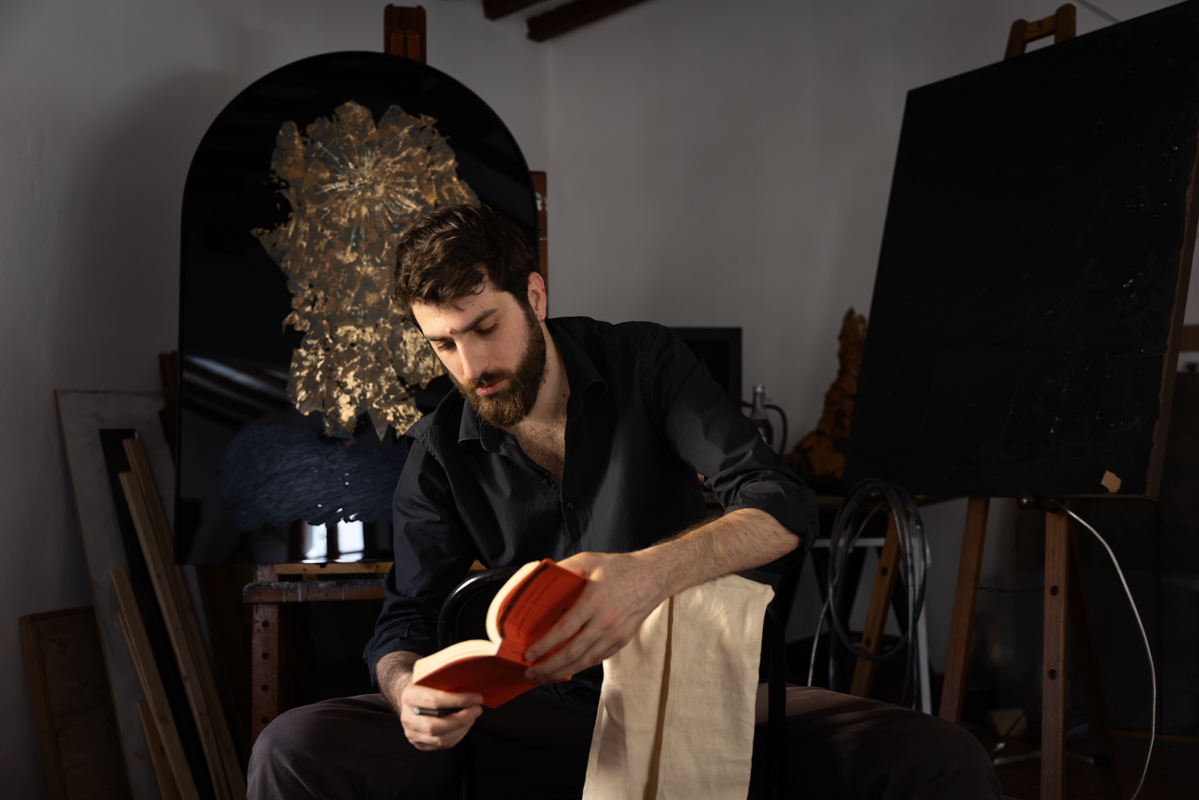
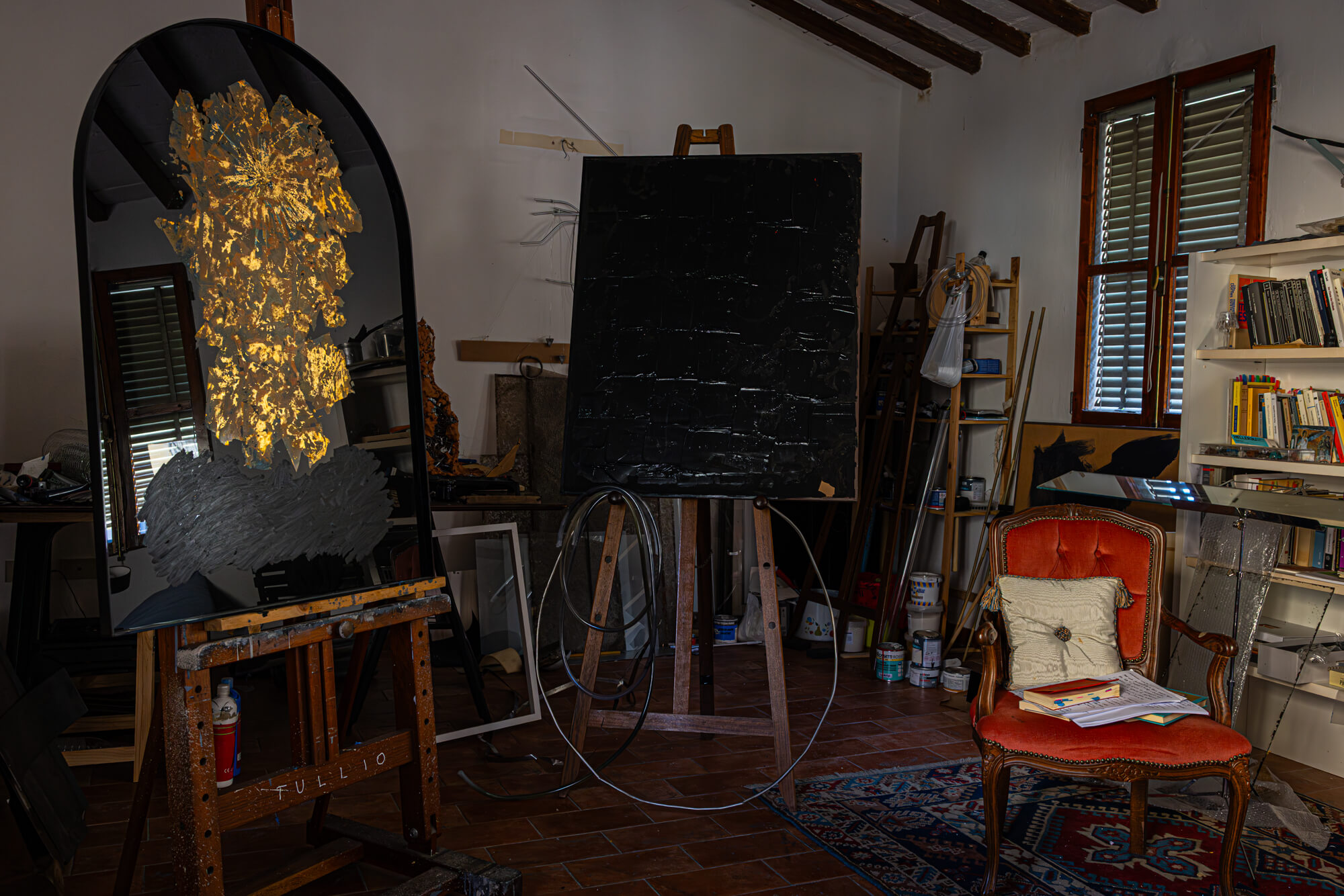
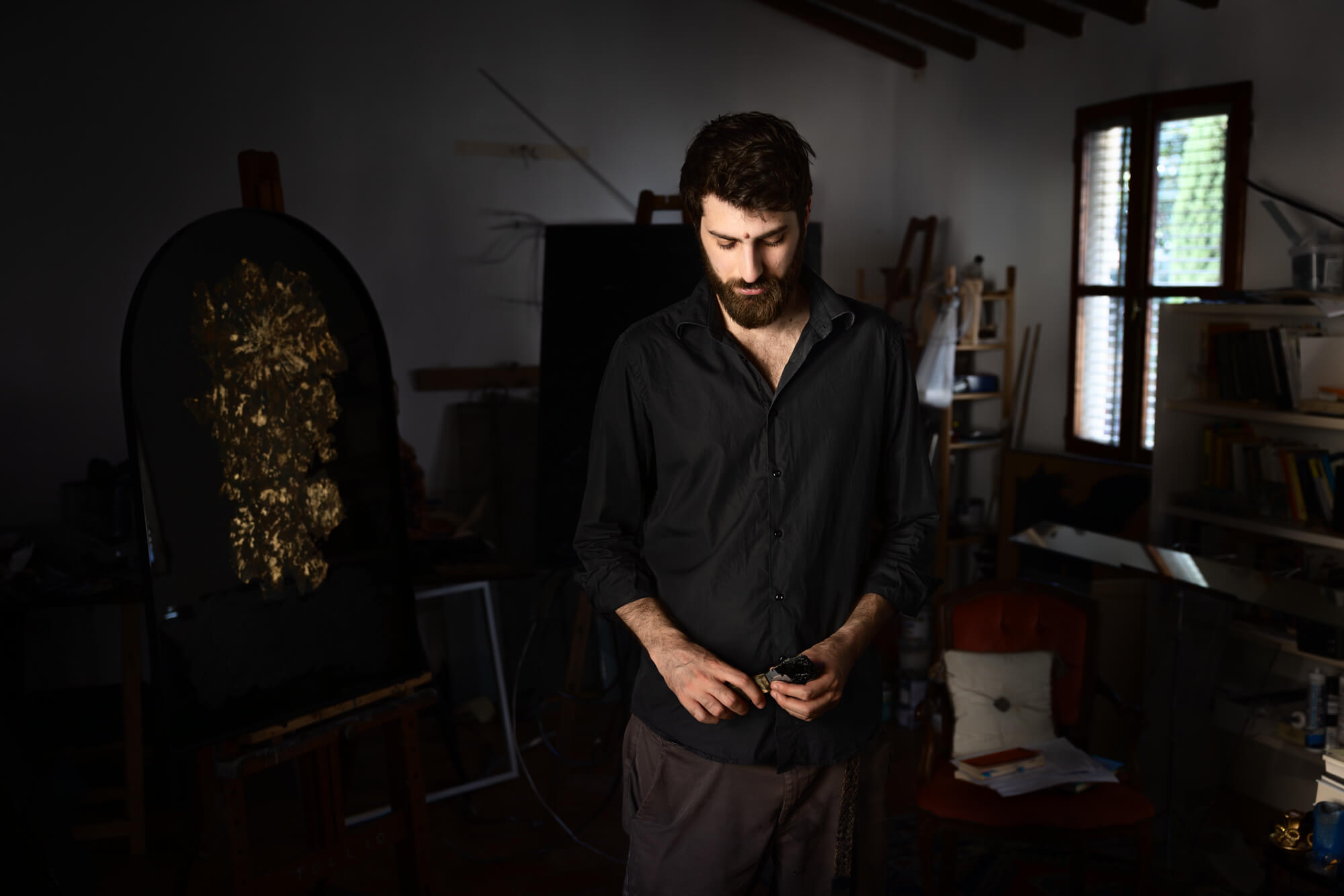
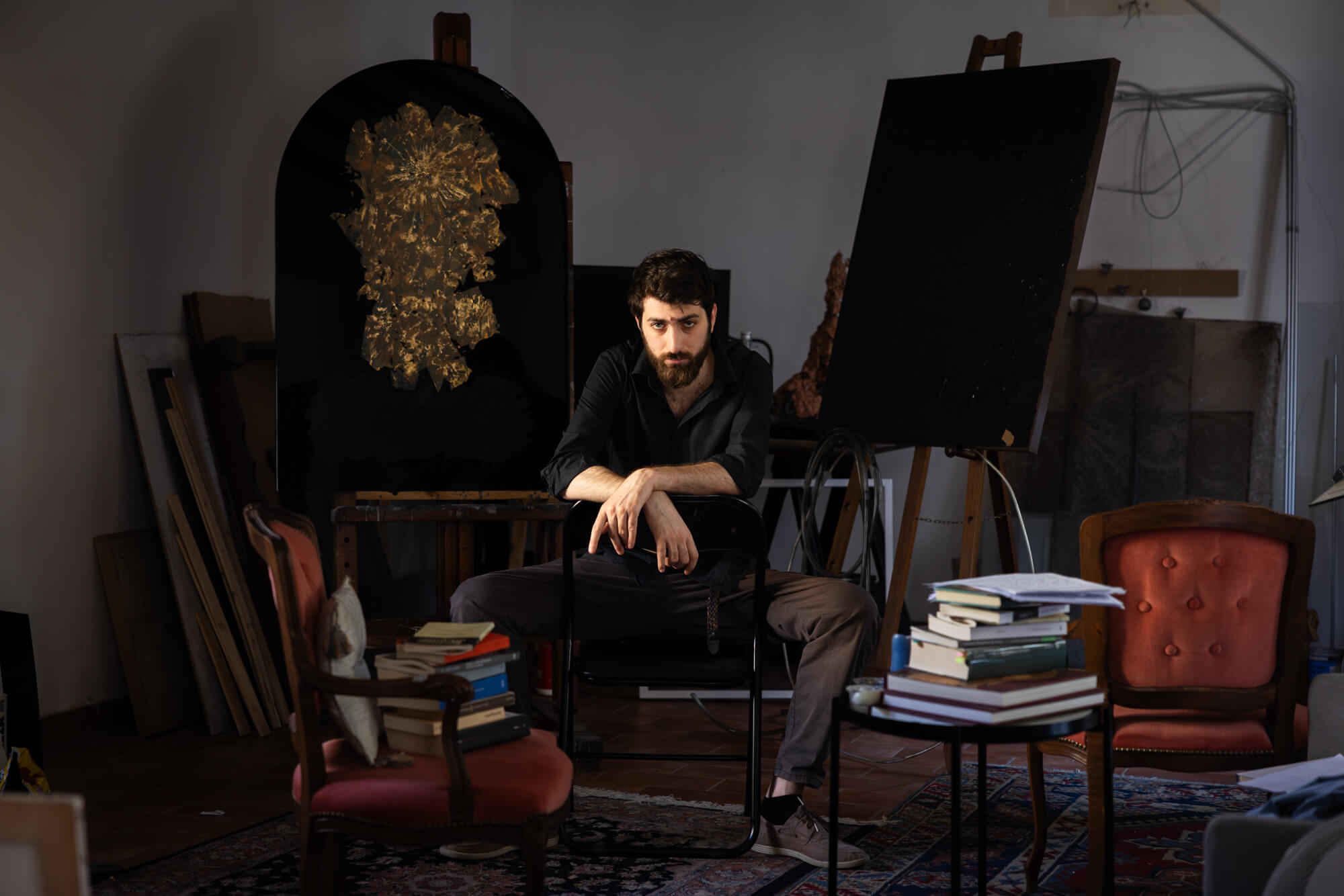
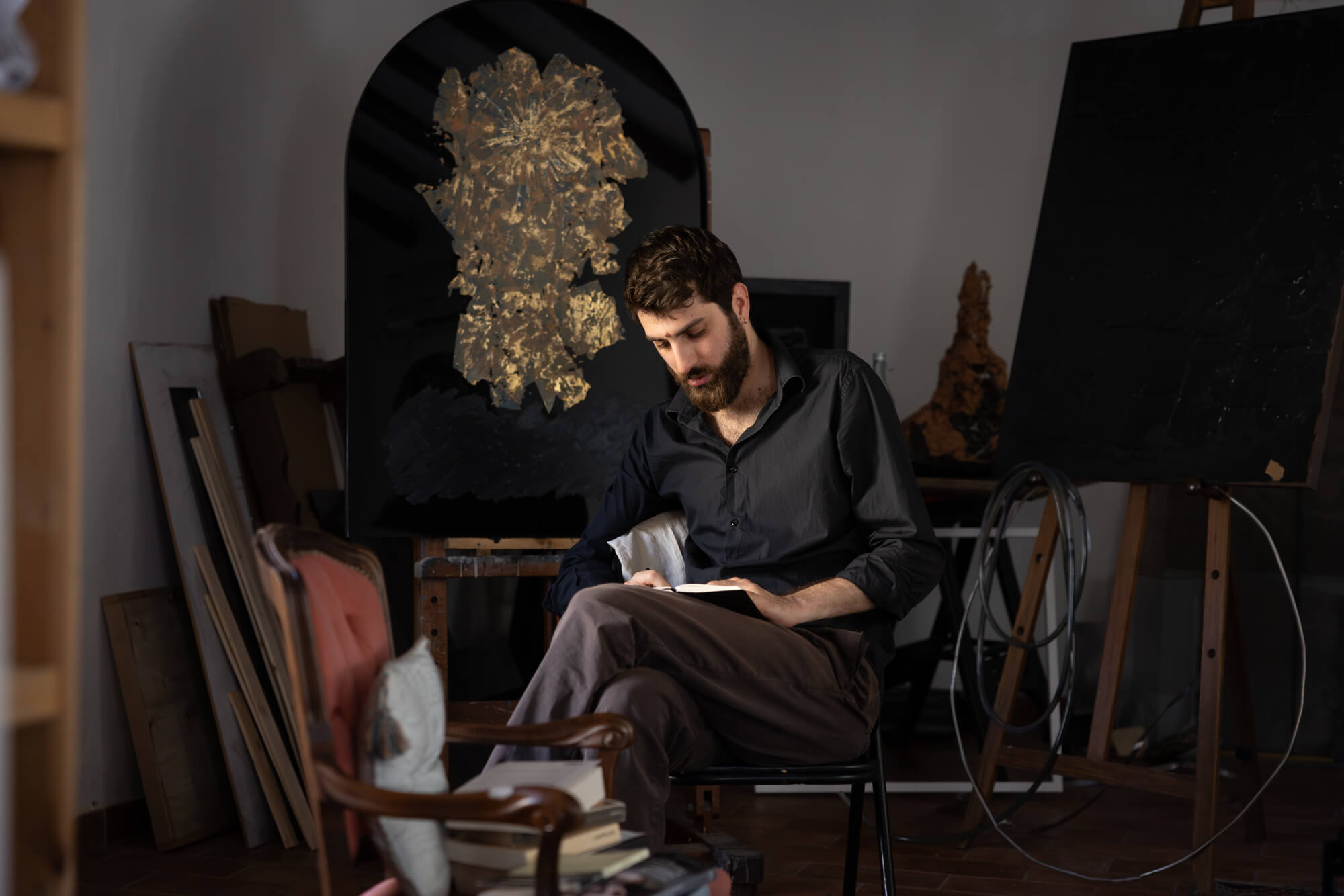
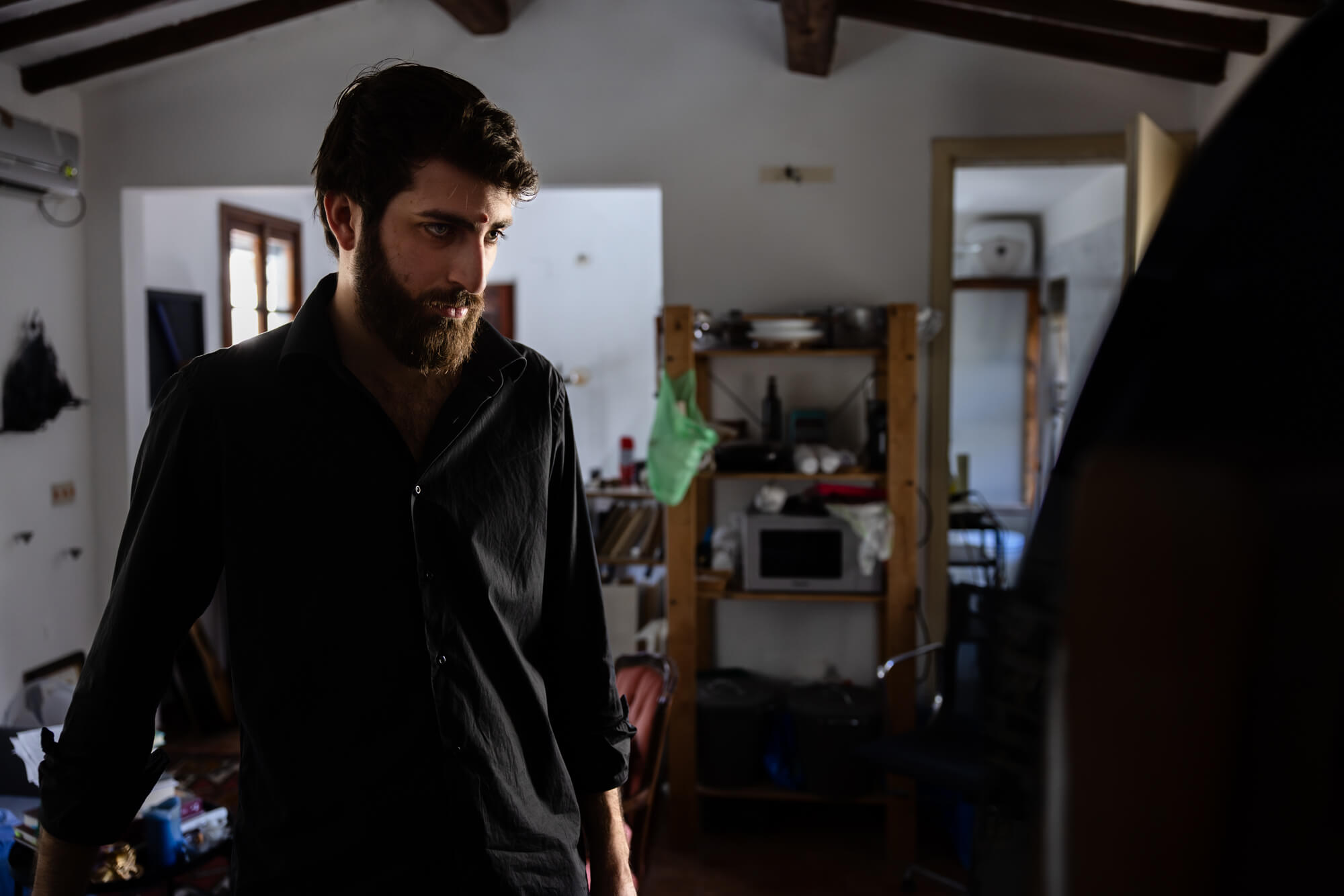
Filippo Cigni (Florence, 1996) develops a practice that moves along the boundary between material technique and symbolic dimension, metaphysical inquiry and religious experience, questioning the possibility of the artwork as a site of transformation. While painting constitutes the foundation of his training and continues to play an essential role within his practice, his work has progressively expanded into a broader field in which images, objects, light, and matter contribute to the construction of relationships capable of generating experiences that go beyond mere representation.
At the center of his research lies the conviction that the work does not coincide with the form it assumes, nor with the meaning attributed to it. Through a rigorous working process, founded on listening to matter and constructive precision, Cigni builds autonomous structures, capable of existing beyond their author's intentions. The work reaches its own completeness at the moment when it seems to withdraw from itself, step back, allowing a presence to emerge that cannot be entirely foreseen, named, or explained.
From this perspective, artistic making is not an act of dominion over matter, but a process of participation. Glass, metals, pigments, gold leaf, reflective surfaces, and heterogeneous materials are considered as presences bearing their own history, a physical and symbolic memory that the artist is called to recognize even before transforming it. There is no hierarchy among things: every element participates in the construction of the work and contributes to its capacity to generate meaning.
Transformation represents the constant core of his research. Each work arises from the encounter between intention and occurrence, between construction and unpredictability, leaving space for what escapes control and manifests itself only during the process. Chance, understood as openness to the unexpected, thus assumes a fundamental role, allowing the work to surpass the initial project and reveal unforeseen possibilities.
Alongside experimentation with materials, a central role is occupied by engagement with the iconographic and symbolic heritage of Western tradition. Themes such as the Annunciation or the Adoration recur in his work not as subjects to be represented, but as events to be questioned. What interests the artist is not the image itself, but rather the possibility that something might happen: an apparition, a revelation, a sudden transformation of the gaze. Light, reflection, suspension, and the precariousness of materials then become instruments through which to evoke that threshold where the visible seems to open to something that exceeds it.
Far from any programmatic conception of art and from any reduction of the work to style, Filippo Cigni's research is oriented toward the construction of conditions capable of welcoming the Event. In this space of tension between matter and spirit, presence and disappearance, human and non-human, the work does not offer itself as an answer but as a possibility: a place where sensory experience and knowledge coincide once more, restoring to art a dimension of mystery, necessity, and discovery.
Works
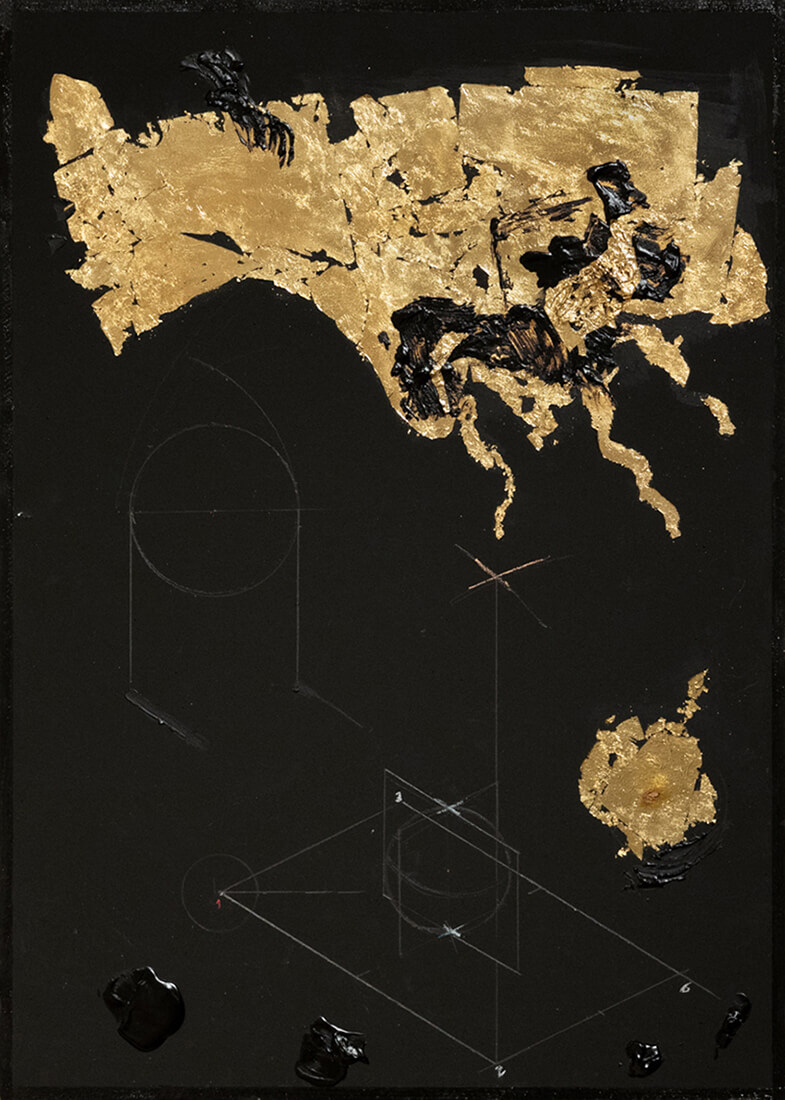
Gouache, eraser, graphite, chalk, and gold leaf on wood
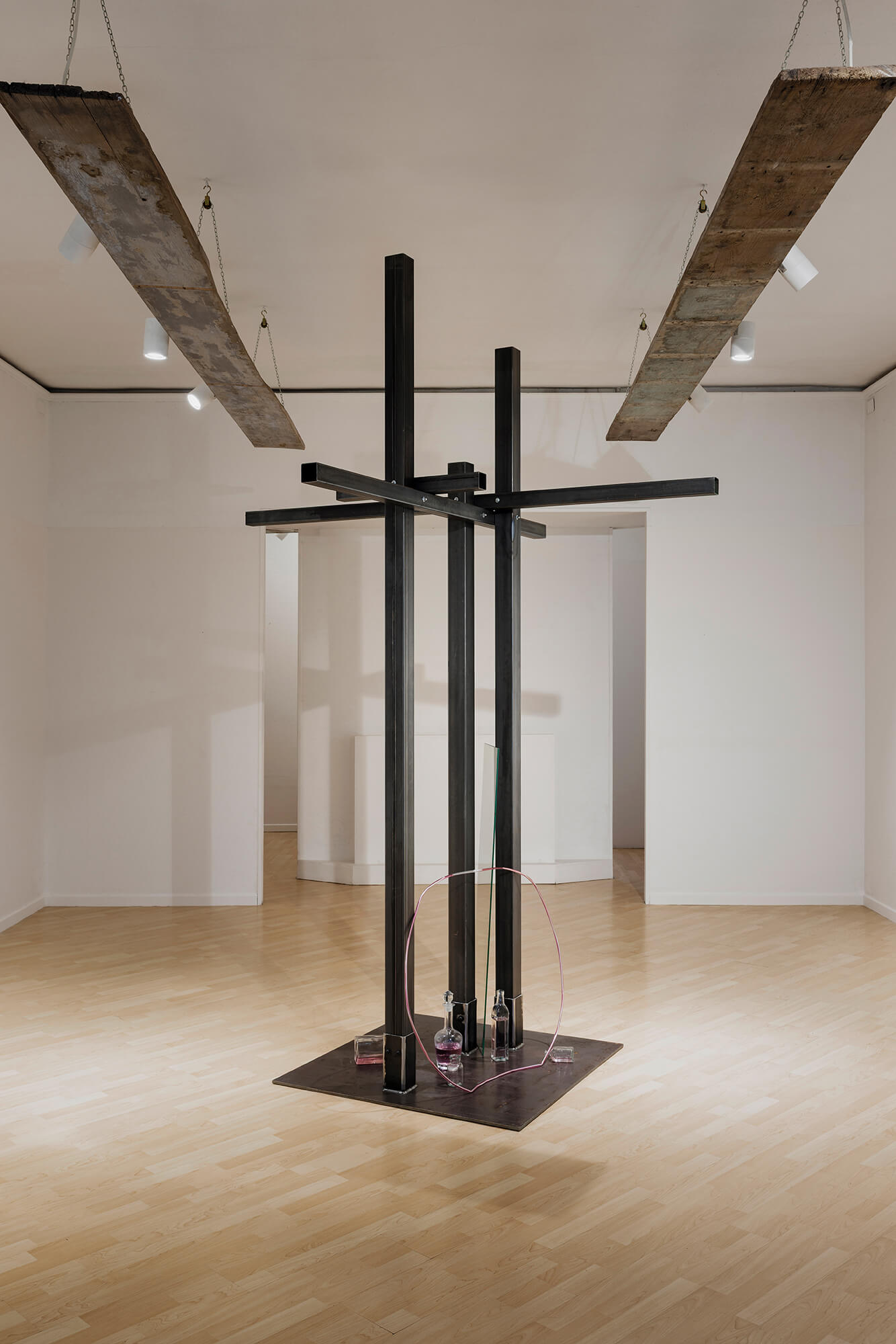
Le Ragioni dello Spirito (Golgota)
Iron, alcohol, glass
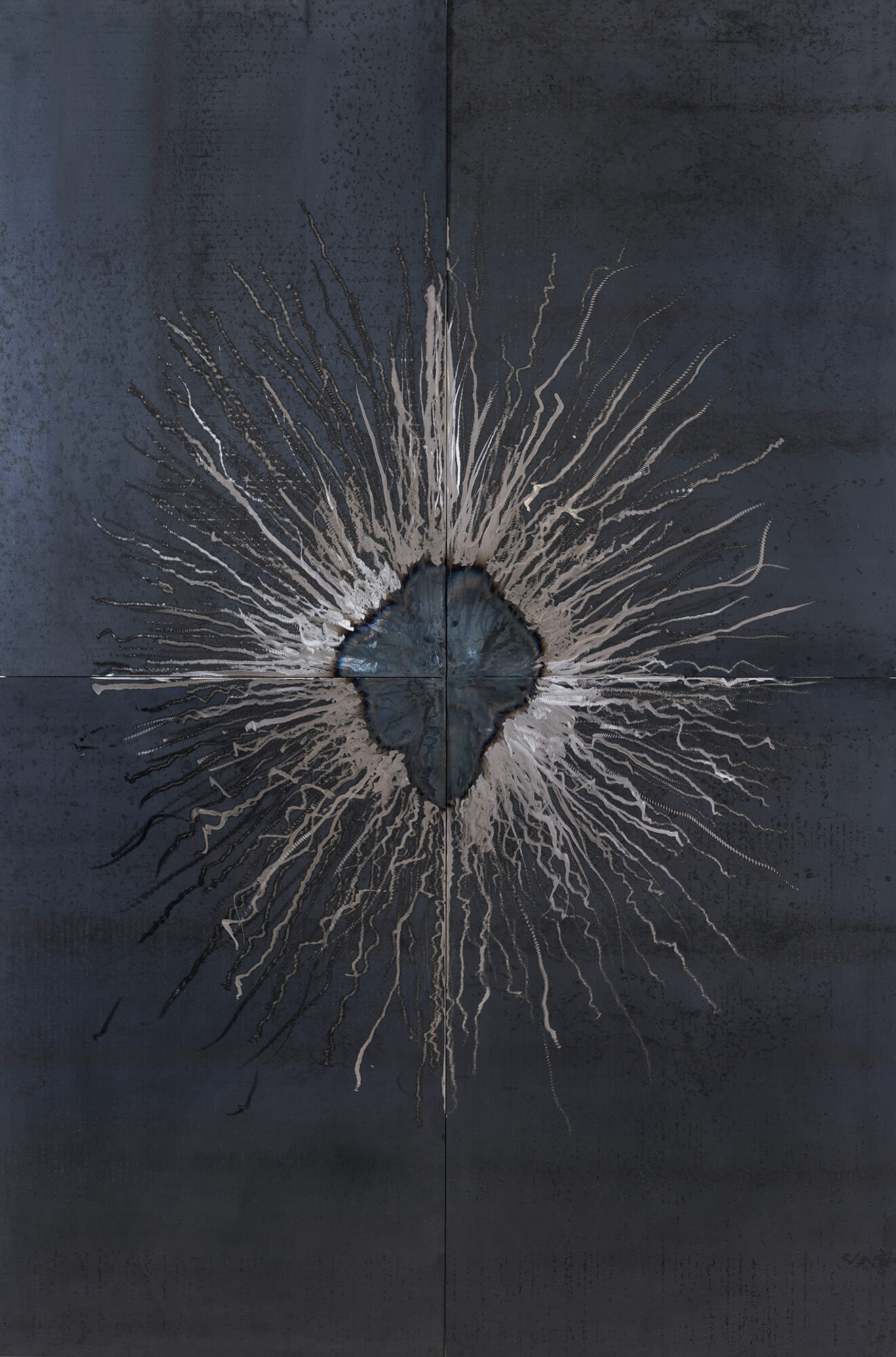
Combustion on iron
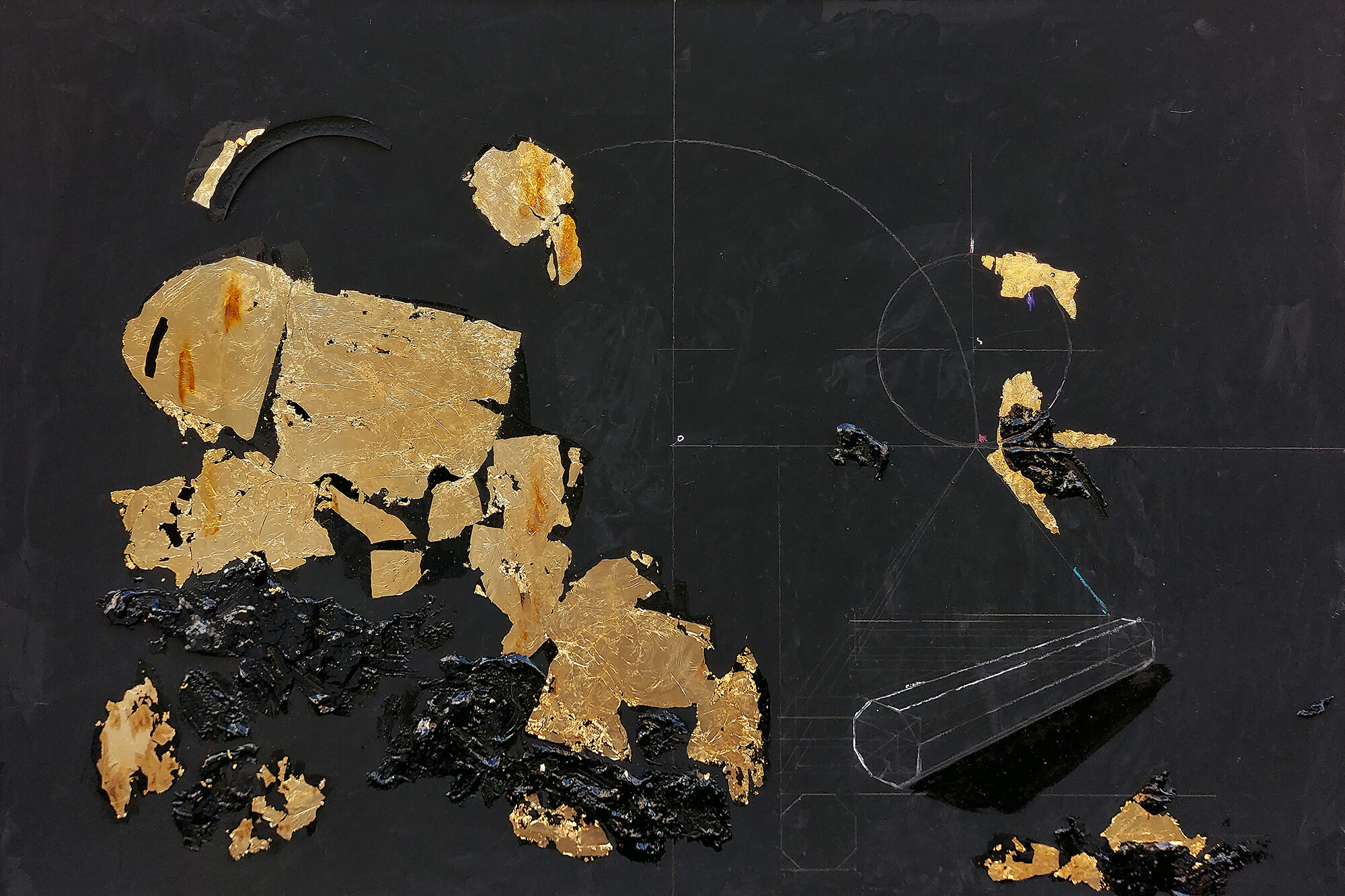
Gouache, eraser, graphite, chalk, and gold leaf on wood
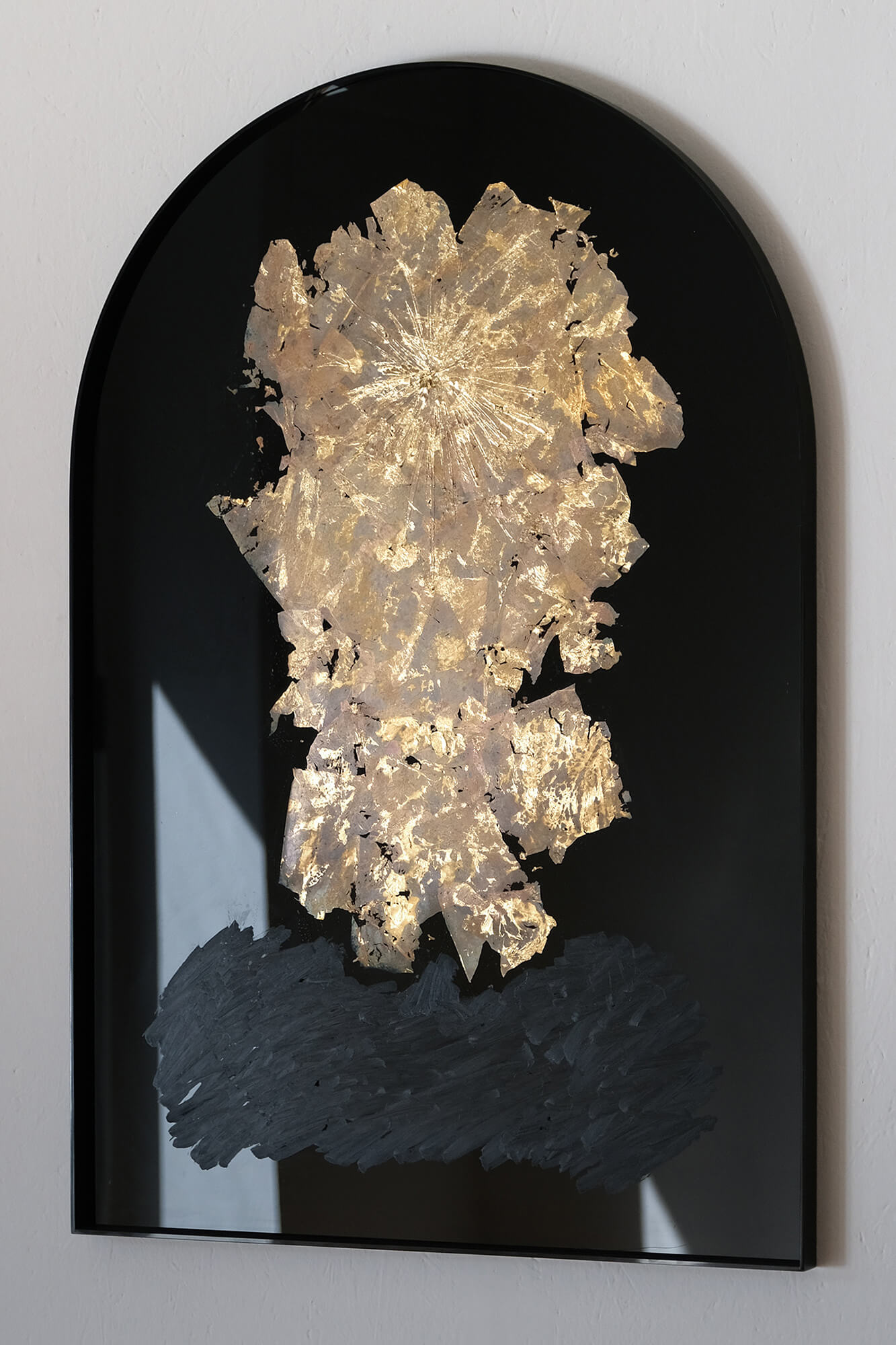
Pastels, engravings and gold leaf on black plexiglass
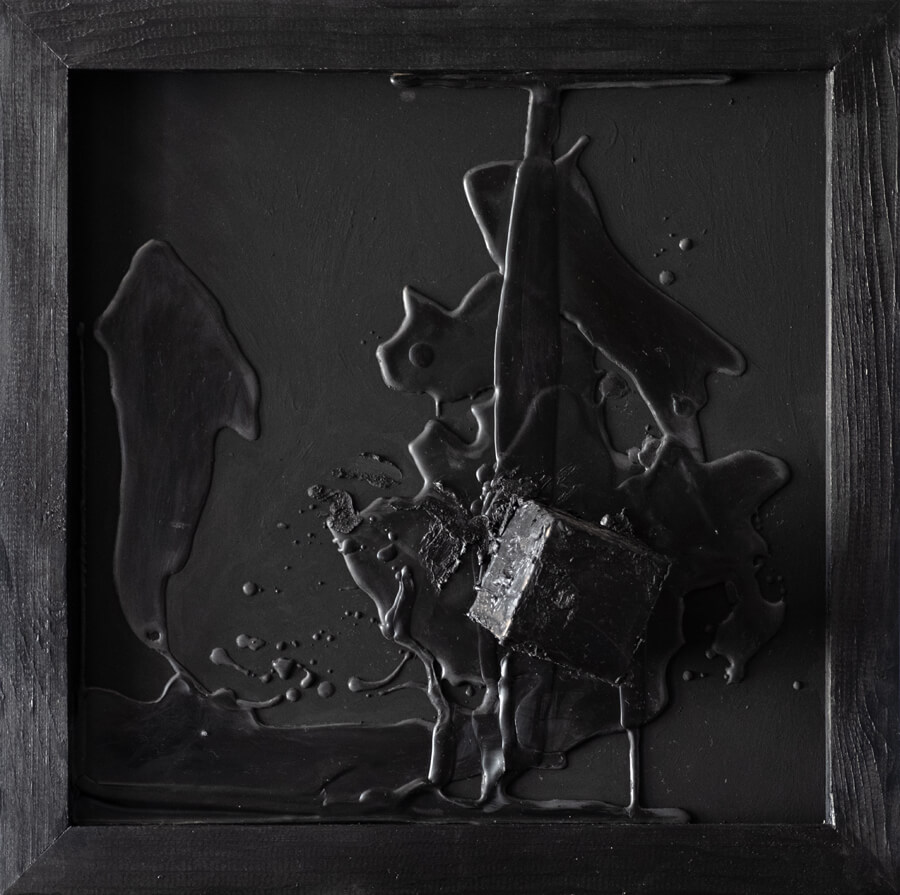
Virgin beeswax, pigment, tempera, graphite, enamel and wood
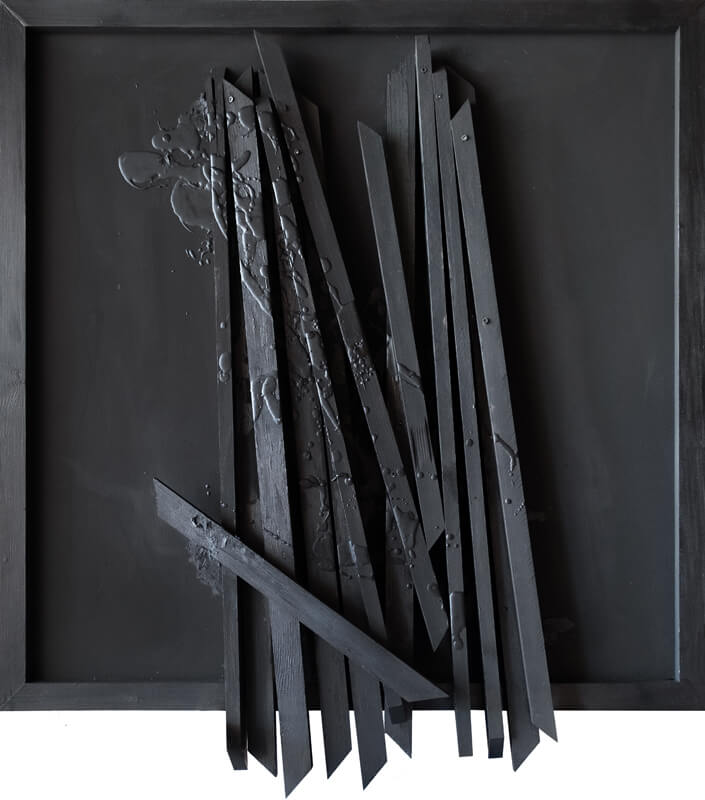
Virgin beeswax, pigment, wood, tempera and enamel on wood
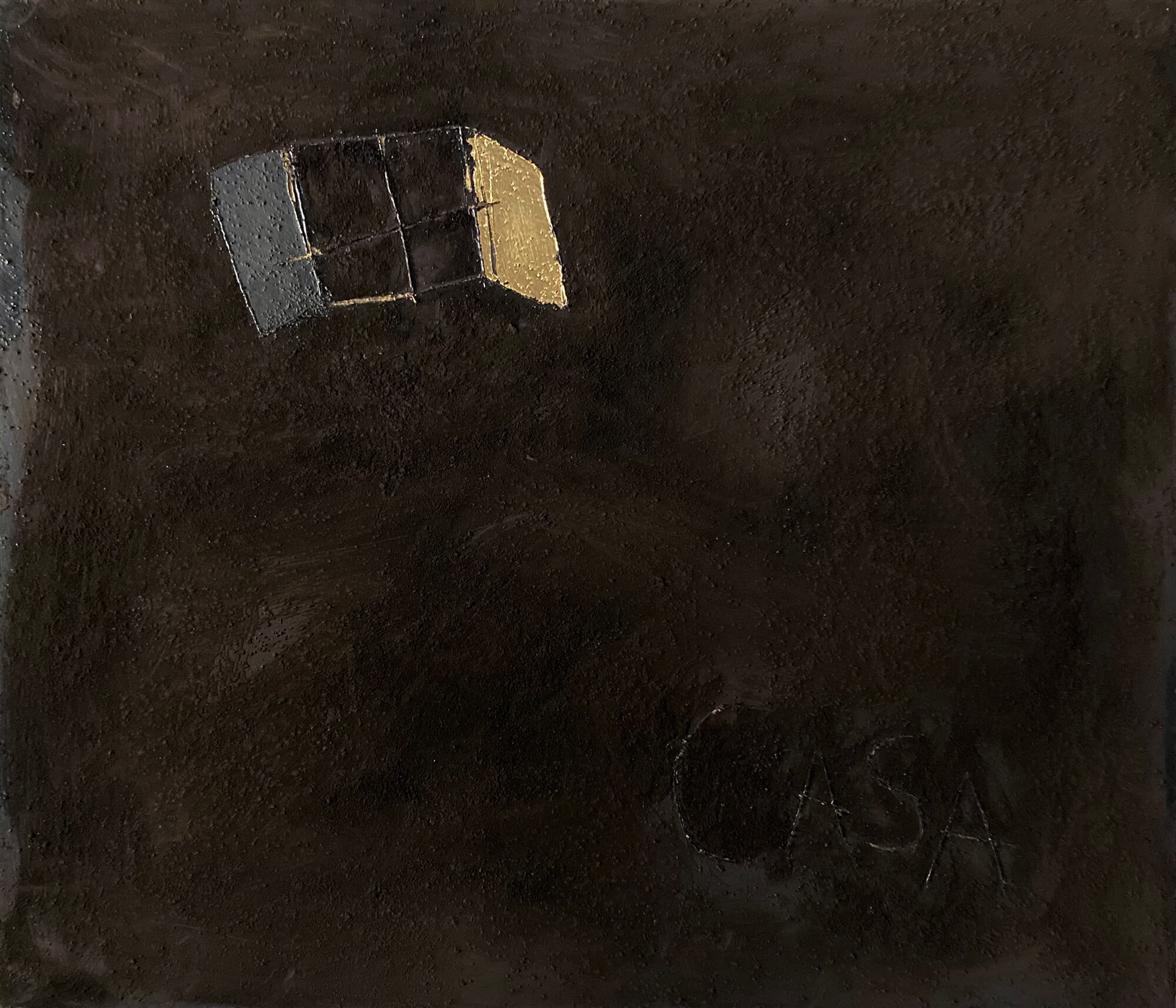
Black pigment (oxide), enamel, tempera, sand, and gold leaf on wood
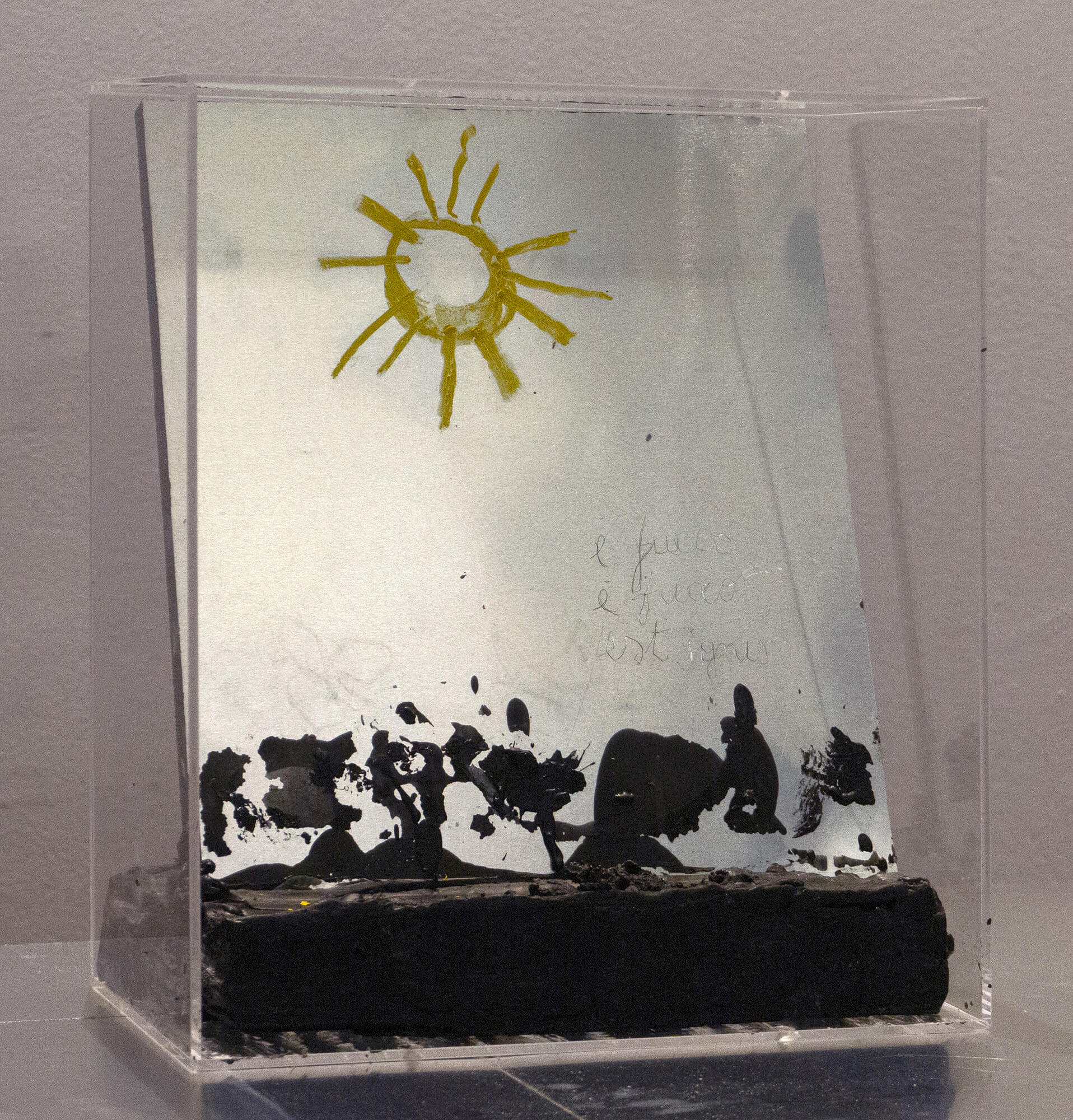
Virgin beeswax, paraffin, pastel, pigment, and zinc on wood
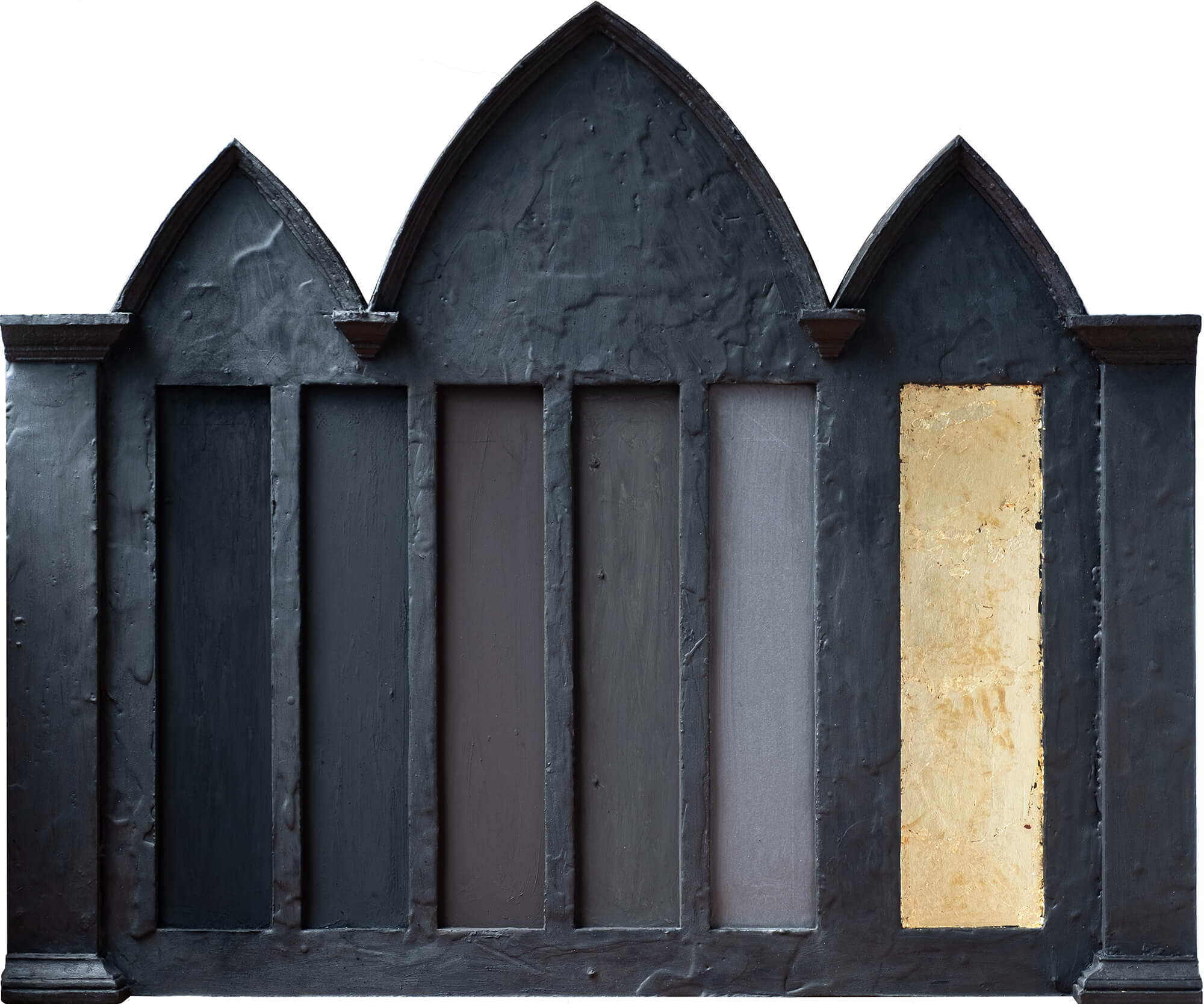
Virgin beeswax, pigments, oil, and gold leaf on woods
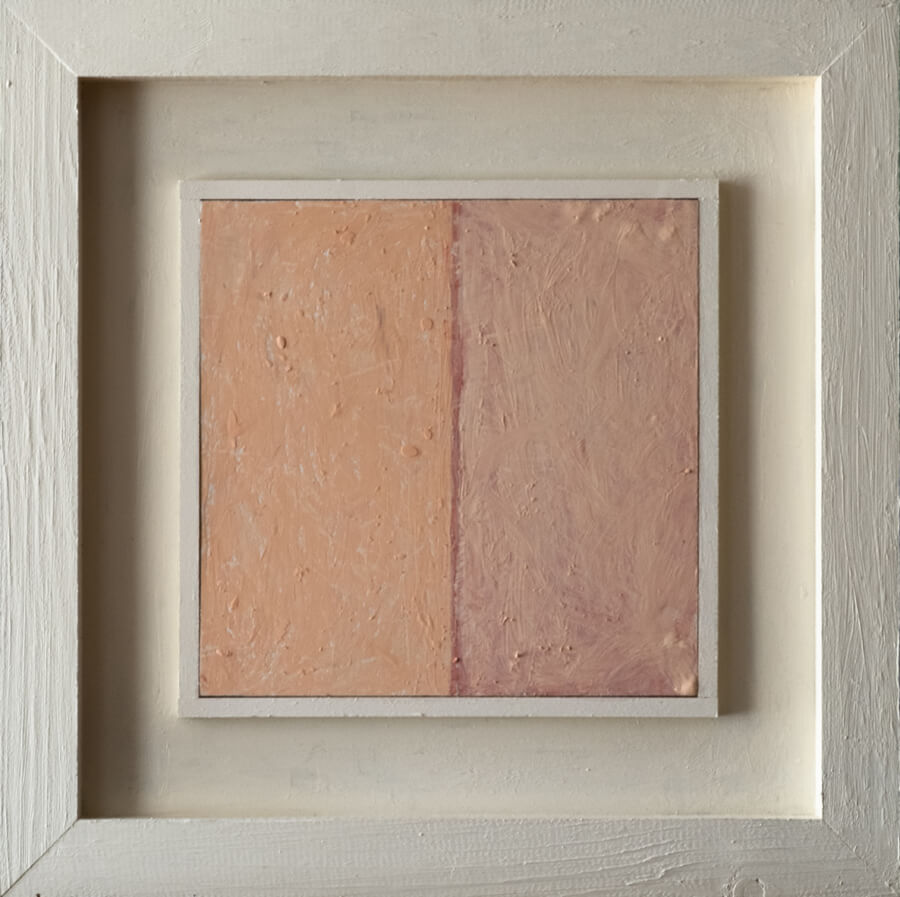
Pastel, graphite, and acrylic on wood
Selected exhibitions
Studio