The artist
Marco Ferri
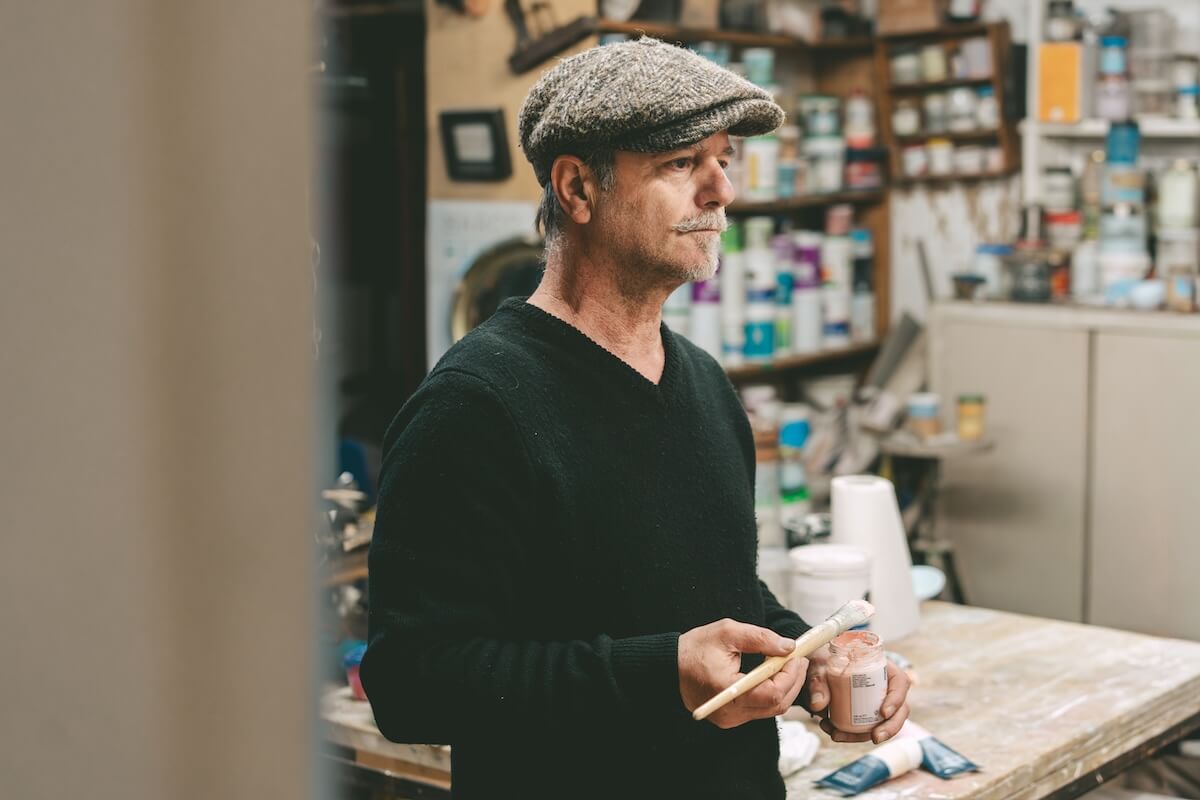
Marco Ferri was born in 1968 in Tarquinia, an Etruscan city of extraordinary historical and cultural significance, a place that profoundly shaped his artistic sensibility. At a very young age, he joined the Etrusco Ludens ceramics workshop, conceived and led by Sebastián Matta. This encounter proved decisive: the experience of working alongside the renowned Chilean artist and his visionary approach to matter left a lasting imprint on Ferri’s imagination and artistic language.
Ferri has developed a multidisciplinary practice spanning ceramics, sculpture, and painting, grounded in a direct and experimental relationship with materials. His work revolves around recurring themes such as time, memory, and transformation, expressed through a visual language that reinterprets reality through essential forms, tactile surfaces, and a deeply charged emotional resonance.
After his early work in ceramics, his research evolved toward a painterly approach to sculpture and subsequently toward an investigation focused on surface, stratification, and the use of materials such as rust, patinas, and oxides.
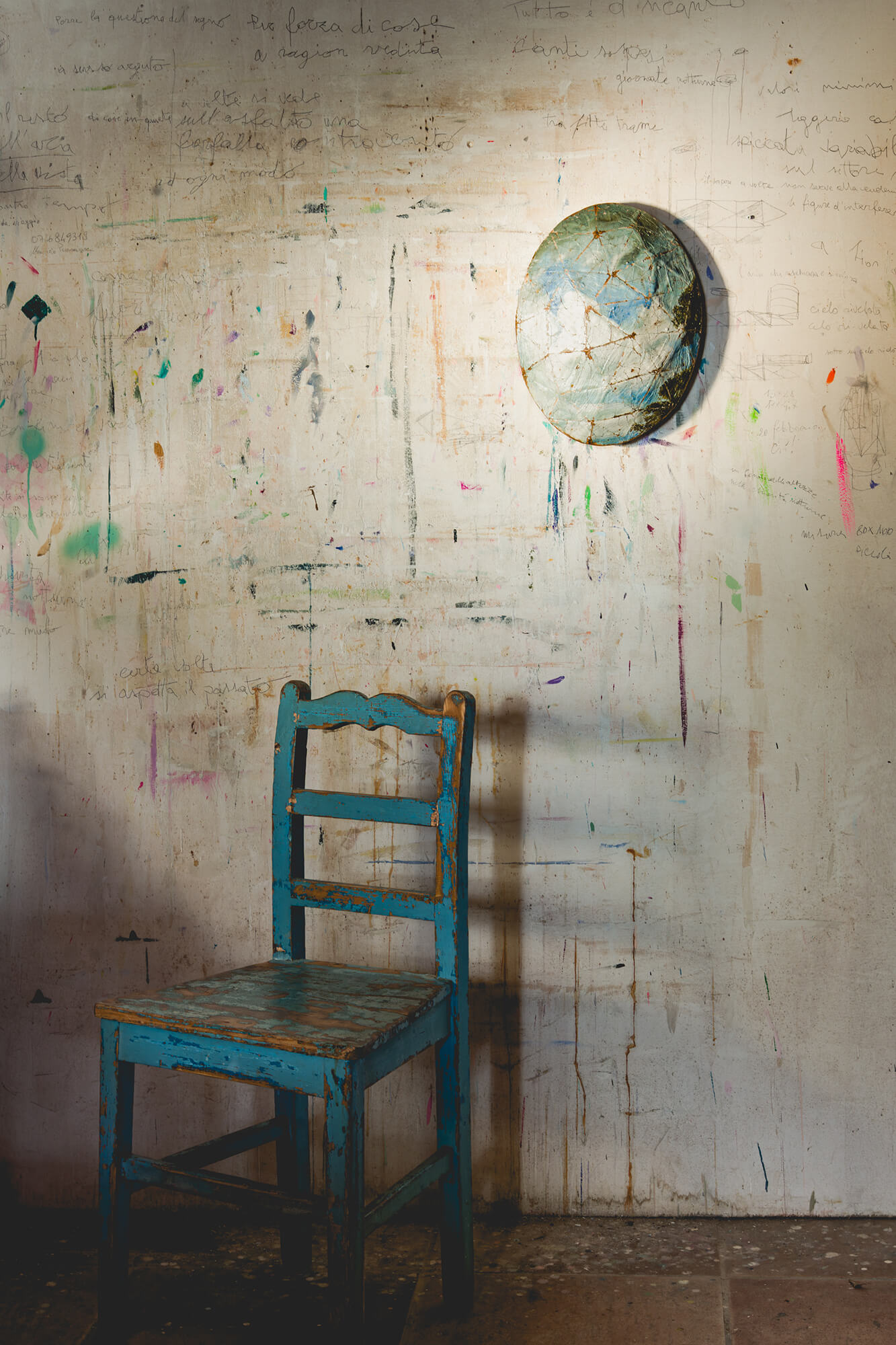
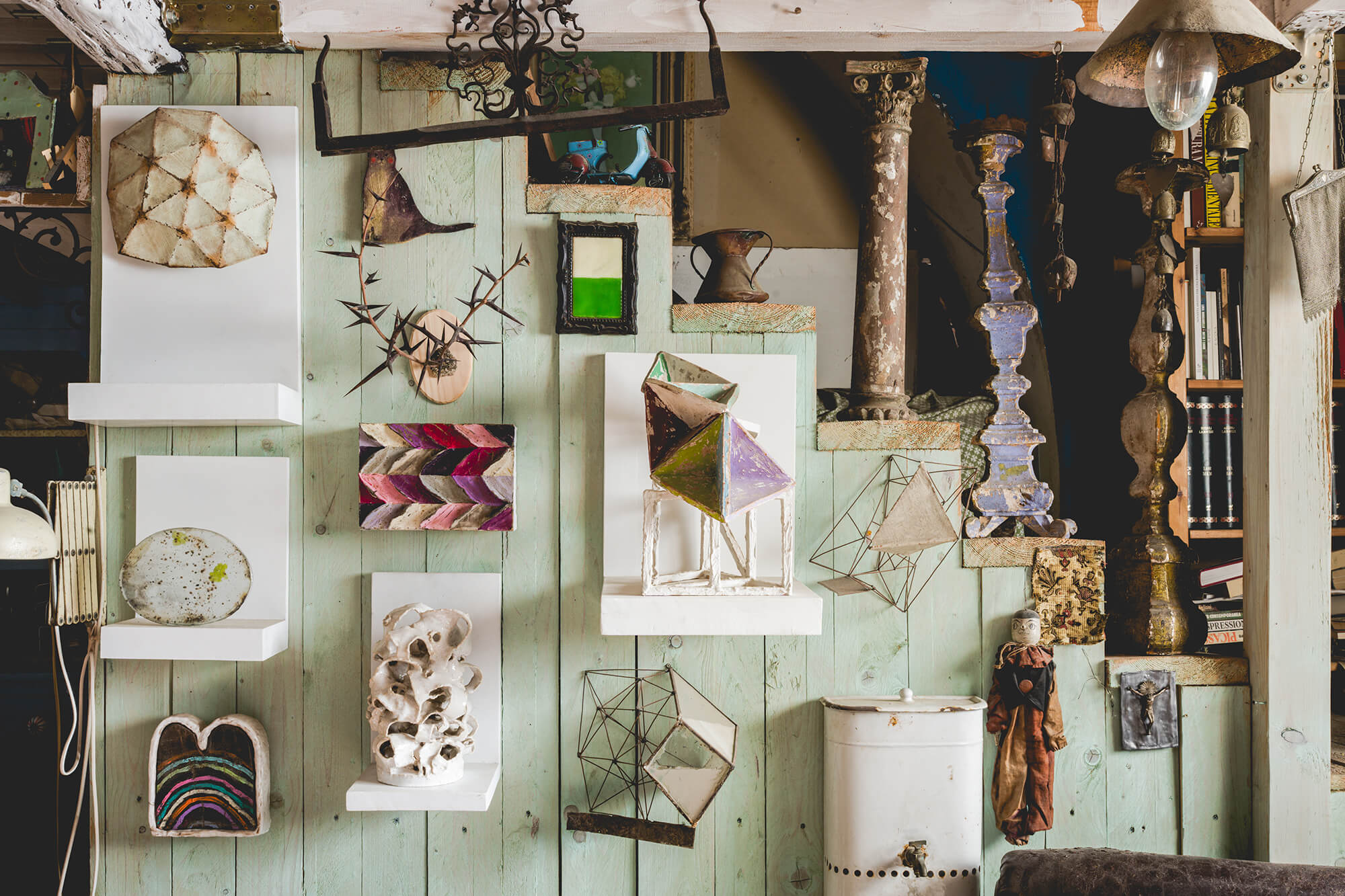
An artist's studio. Papers in disarray on a table, waiting to be rediscovered, chosen for new attempts and cherished old experiments. Pages that have strayed from old art history essays, mingling with photographs, glues, and brushes. Sheets playing hide-and-seek, waiting to be filled with colour.
This is the prelude to the works of Marco Ferri who, like a craftsman, selects and tends to every detail of the materials he sets in dialogue with one another, until they merge. The layering of paper carries with it the memory of its histories, and the presence of colour keeps alive the gentle recollection of a youth that is always present.
The vivid spirit of the works defines Ferri's multifaceted practice, which moves across different languages. Resins, paper, and glass lend themselves to the artist's play as he explores new melodies for his themes. Meticulous yet unpedantic symmetries, undulating movements, balanced and dynamic correspondences.
The layering of paper, wood, and resin thus becomes a metaphor for construction — something the artist carries with him, bringing all his experience while keeping his gaze turned towards the new, never losing the fervour and enthusiasm of innocence.
Giorgia Salerno
Works
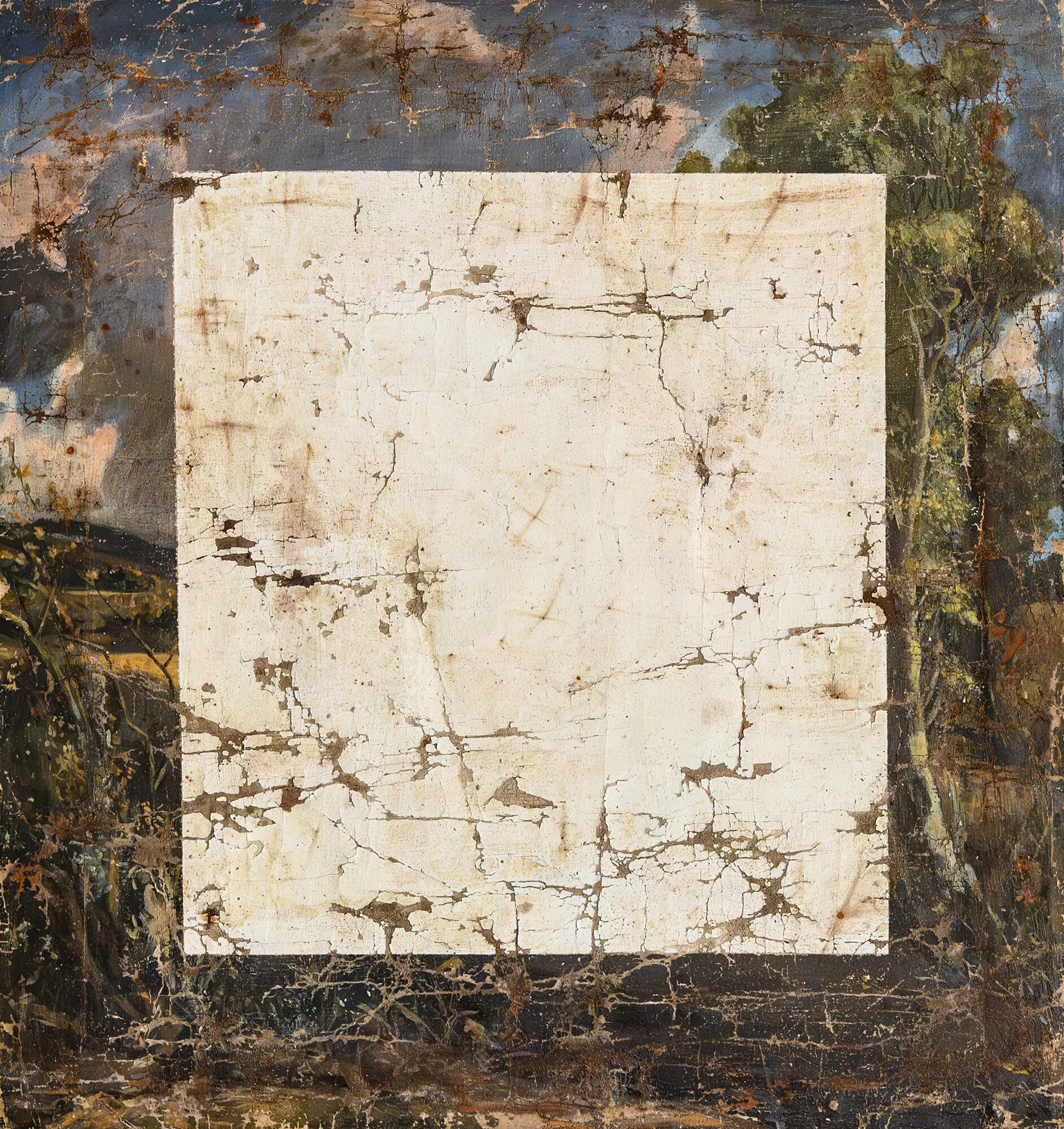
Acrylics, canvas, iron, and beeswax on wood

Acrylics, canvas, iron, and beeswax on wood
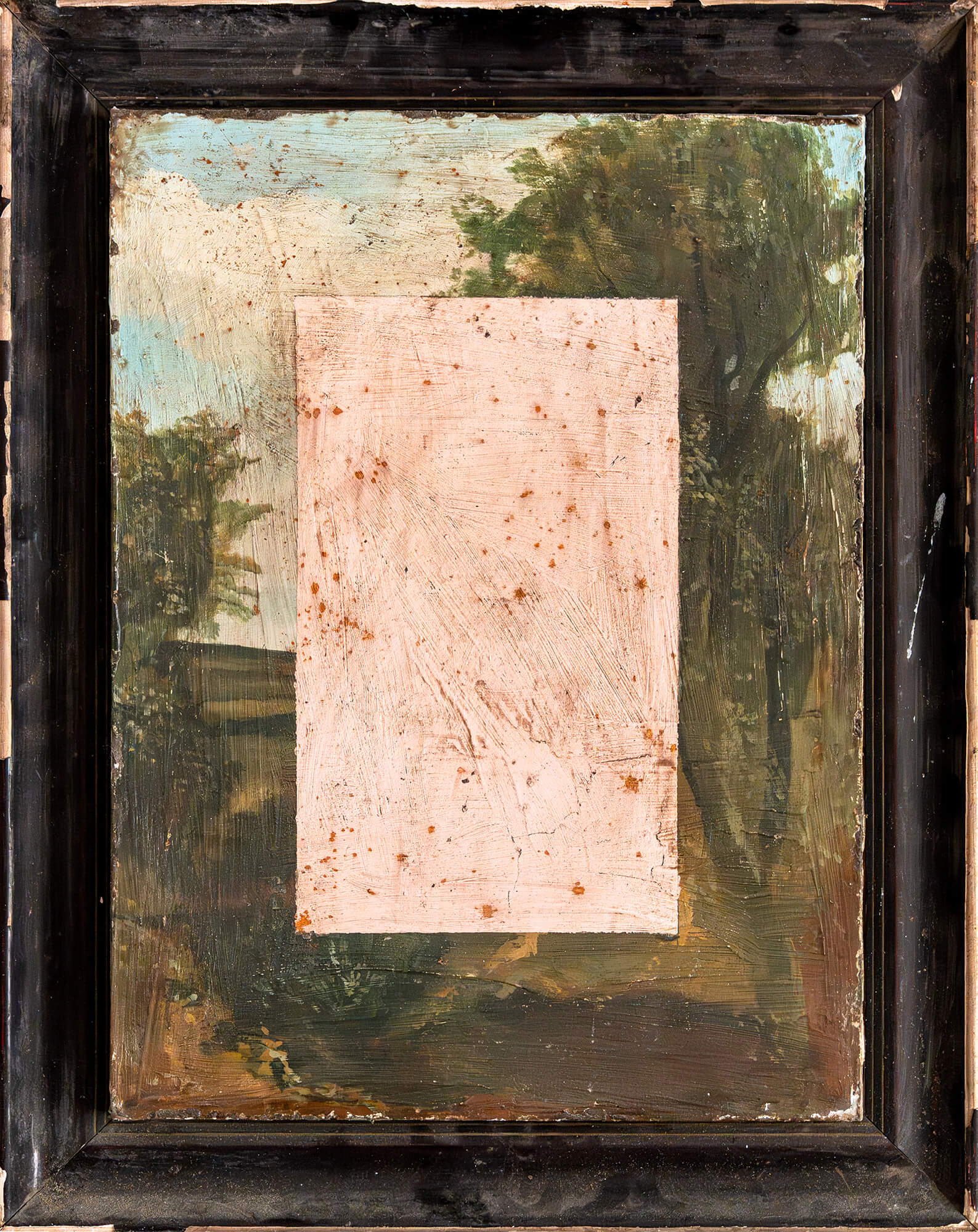
Acrylic, beeswax and cardboard on wood
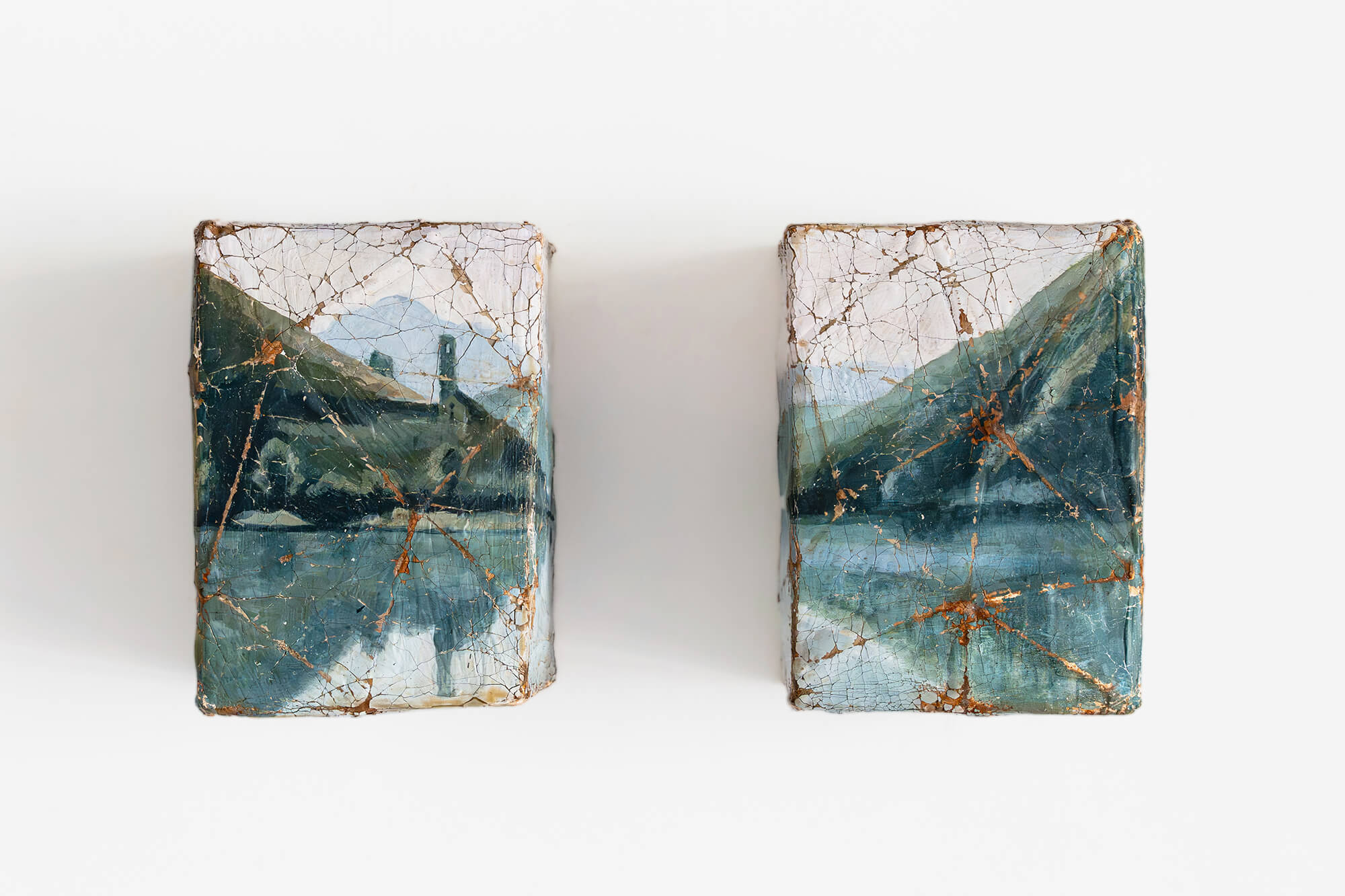
Acrylics, canvas, iron, and beeswax on wood
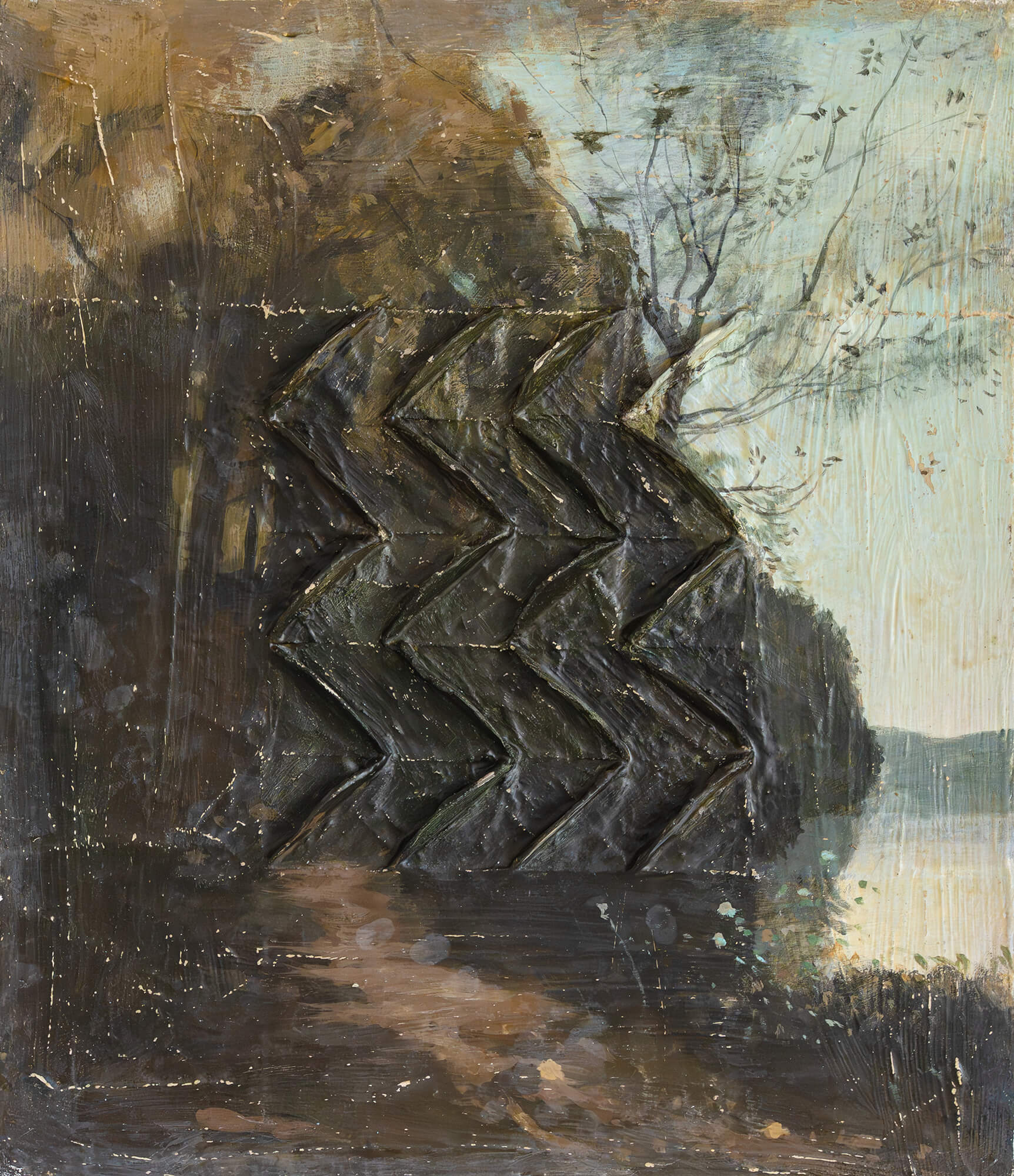
Acrylic, beeswax and paper on wood
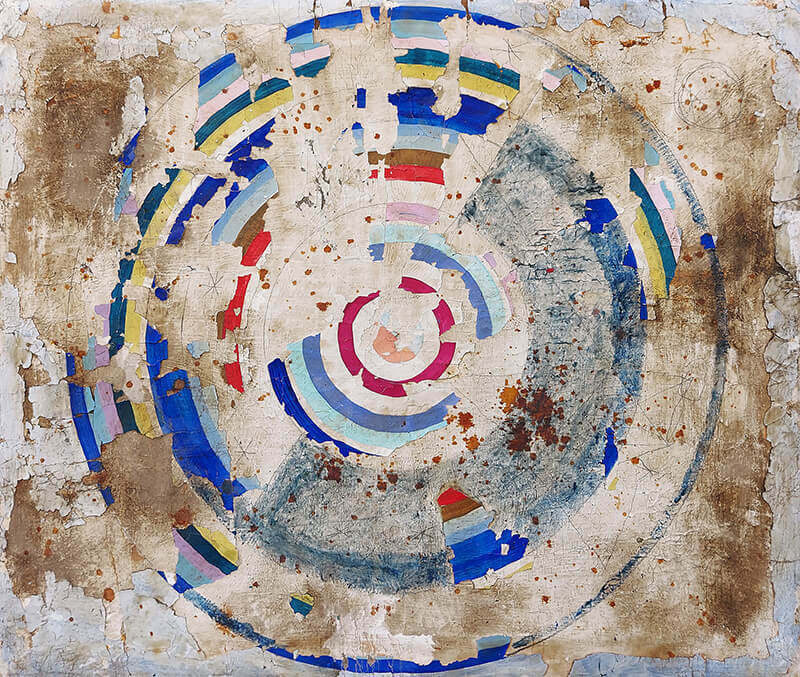
Acrylics, canvas, iron, and beeswax on wood
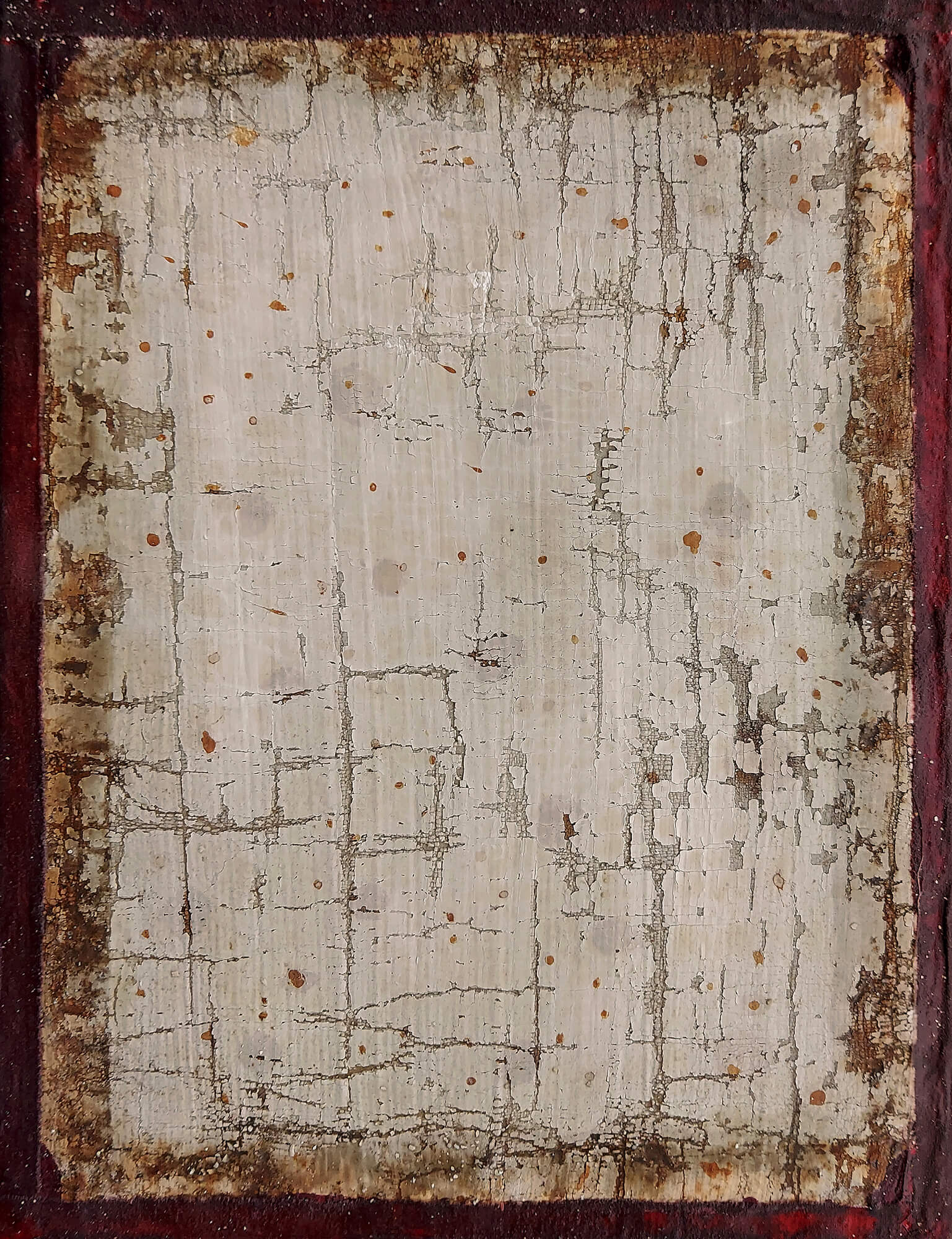
Acrylics, canvas, iron, and beeswax on wood
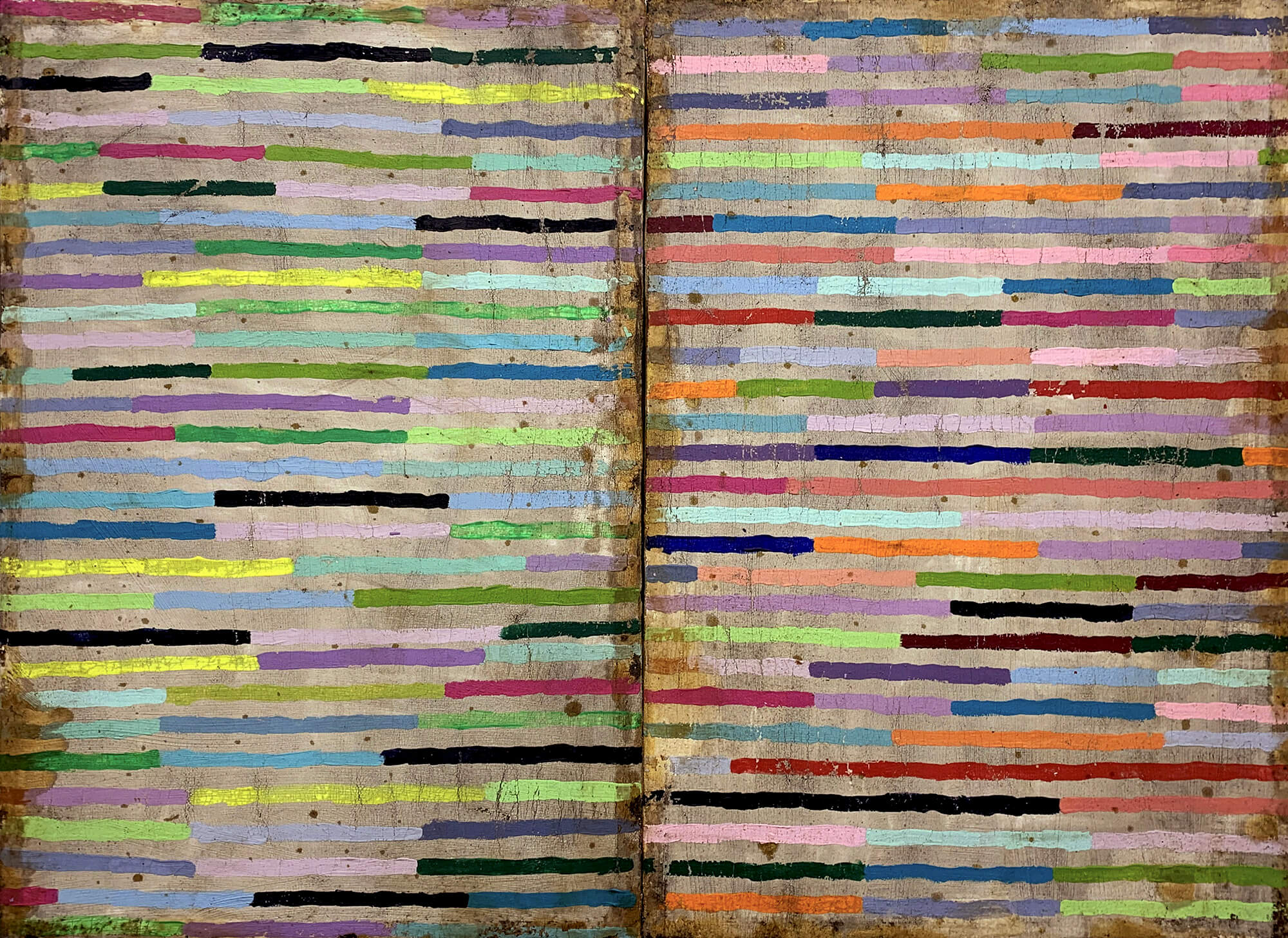
Acrylics, canvas, iron, and beeswax on wood
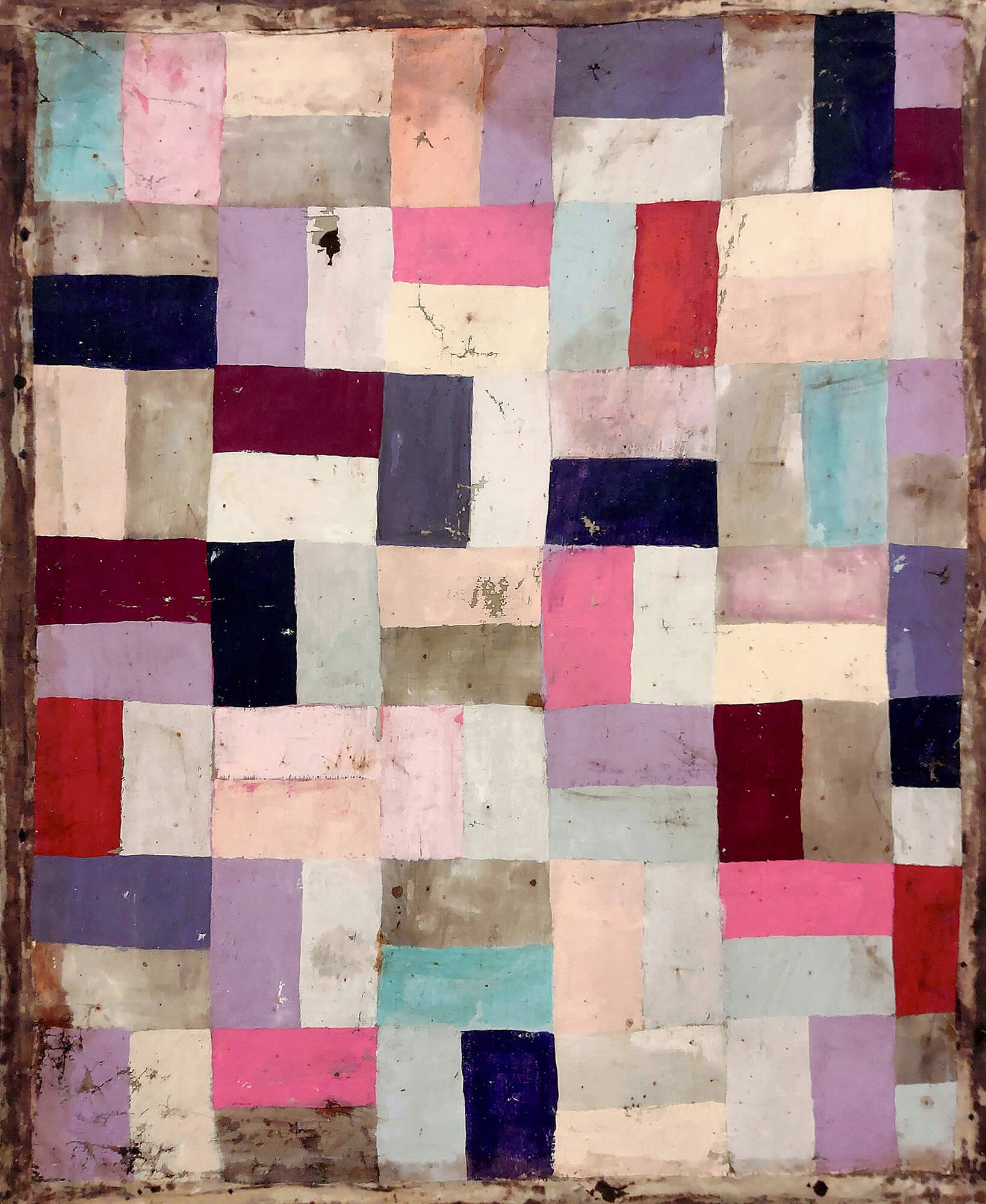
Acrylics, canvas, iron, and beeswax on wood
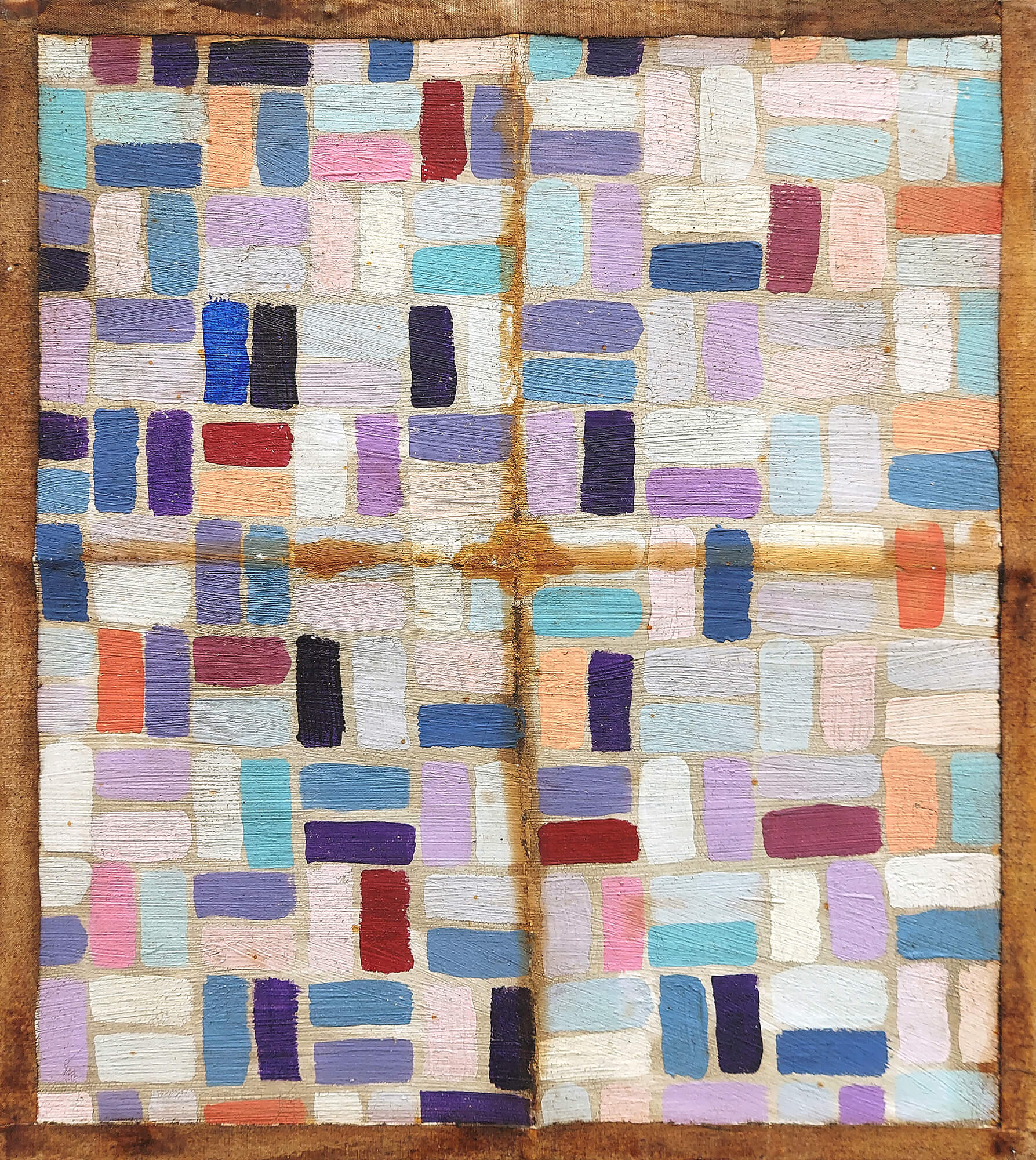
Acrylics, canvas, iron, and beeswax on wood
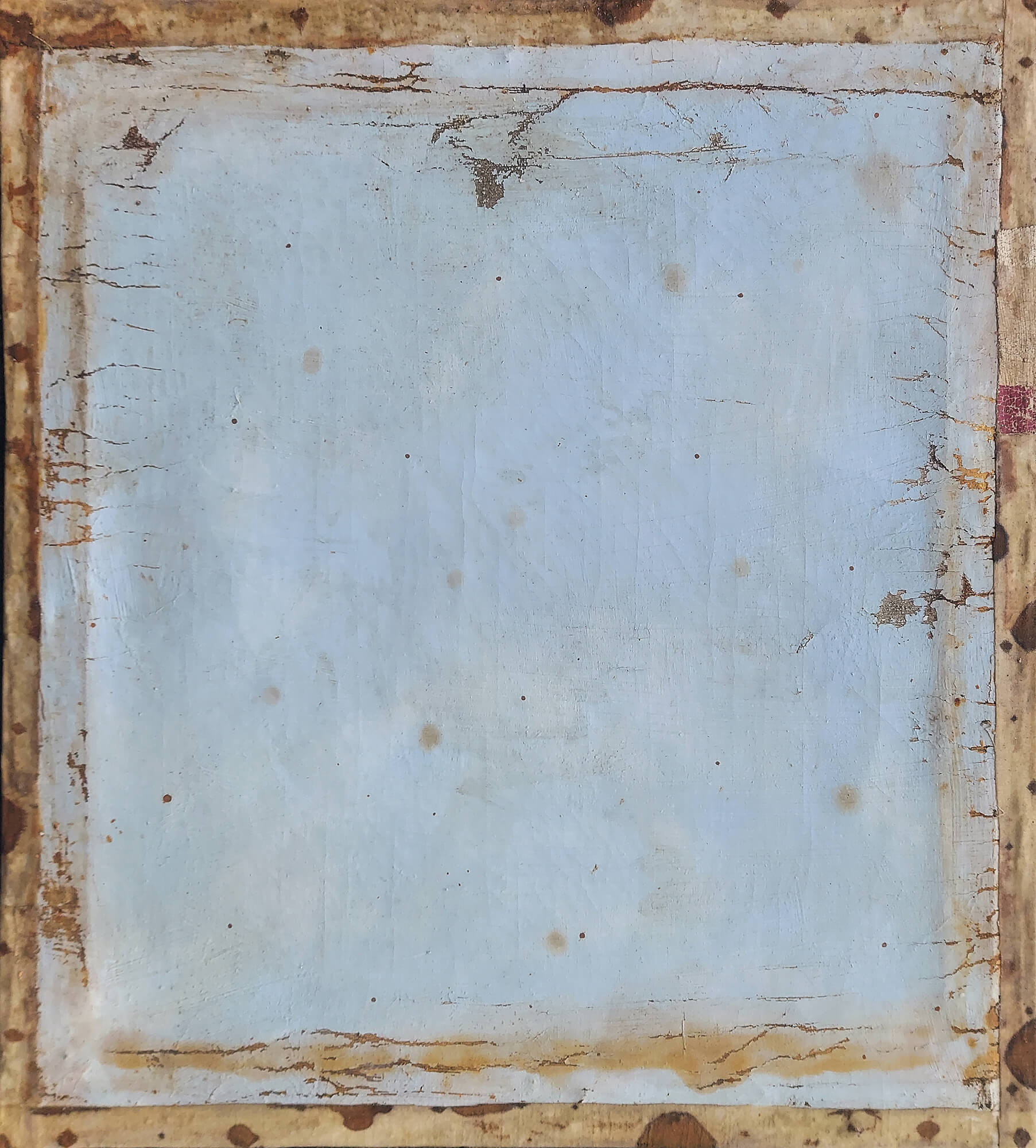
Acrylics, canvas, iron, and beeswax on wood
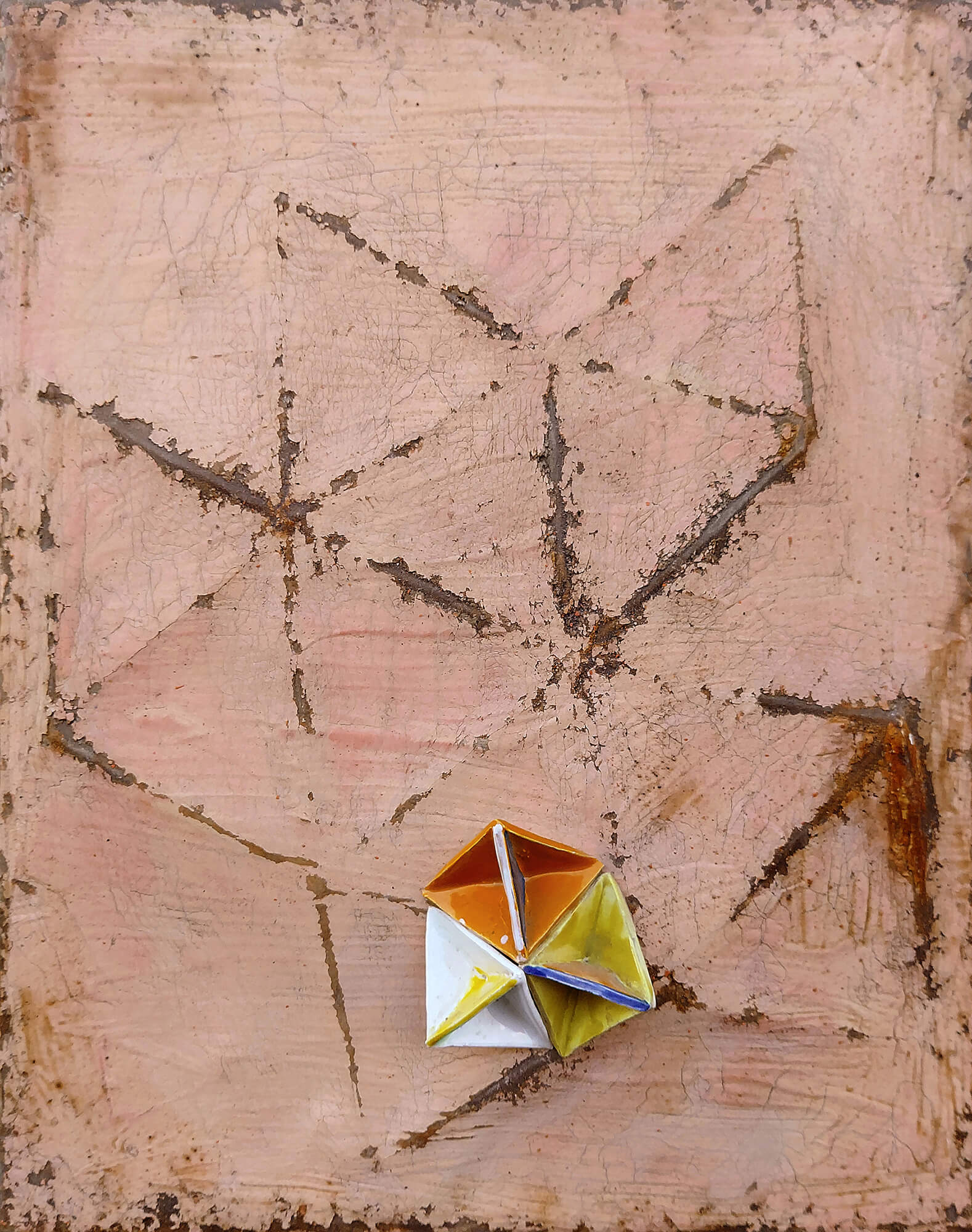
Acrylics and wax on shaped canvas with ceramic
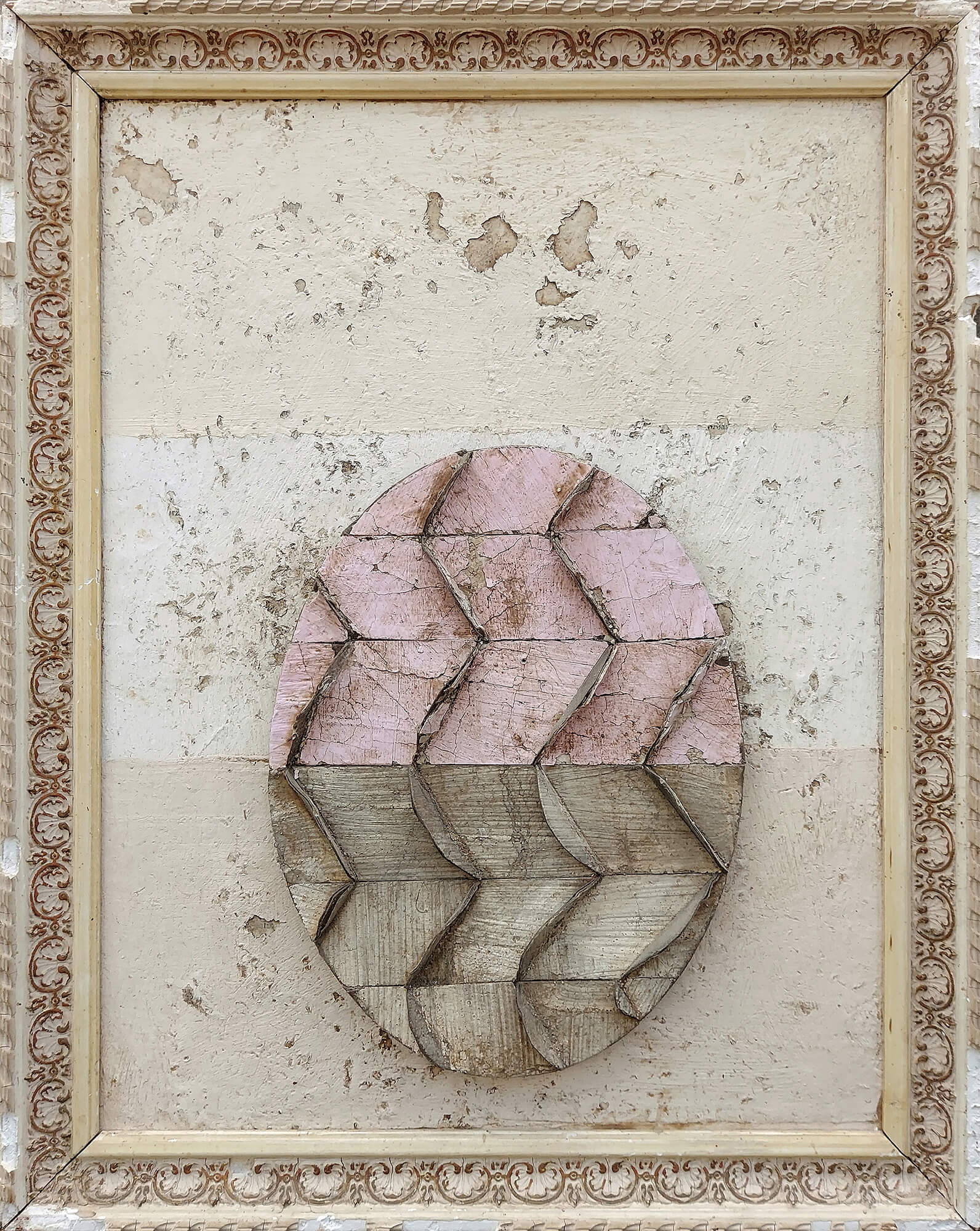
Wood, paper, acrylics, and beeswax on wood
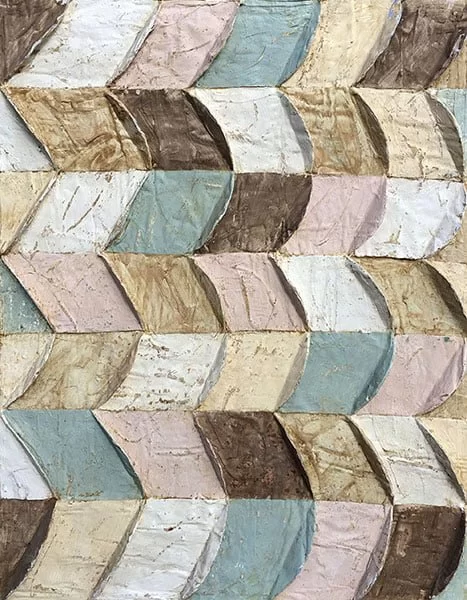
Paper, acrylics and beeswax on wood
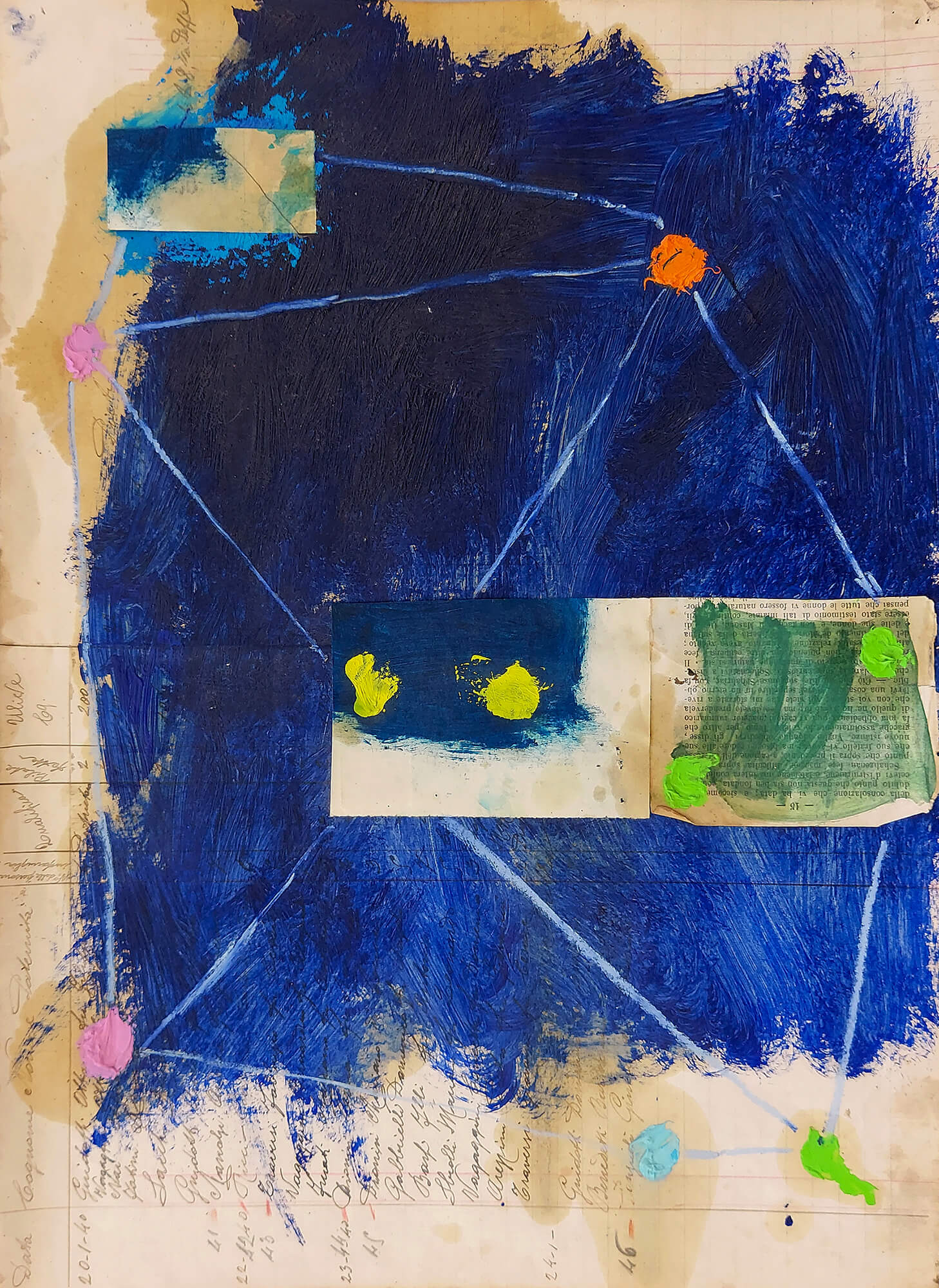
Collage, acrylic and oil on paper
Selected exhibitions
Studio