The artist
Roberto Ghezzi
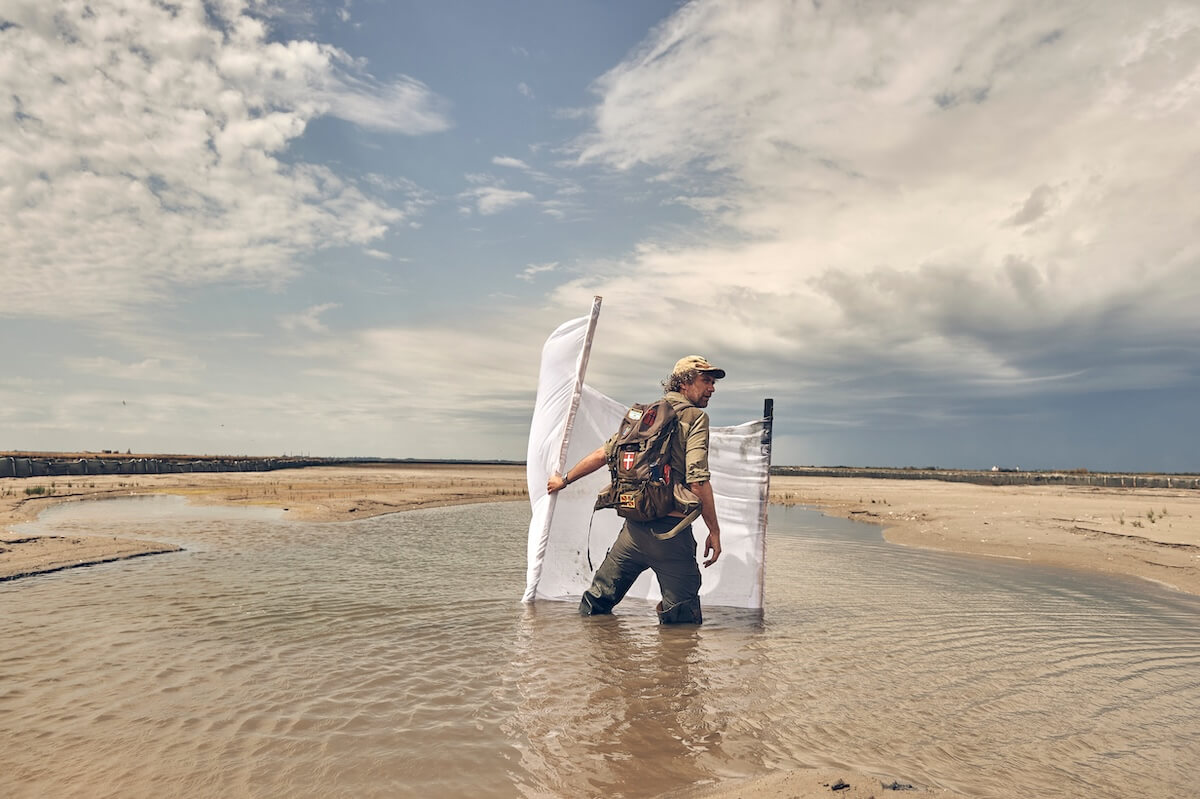
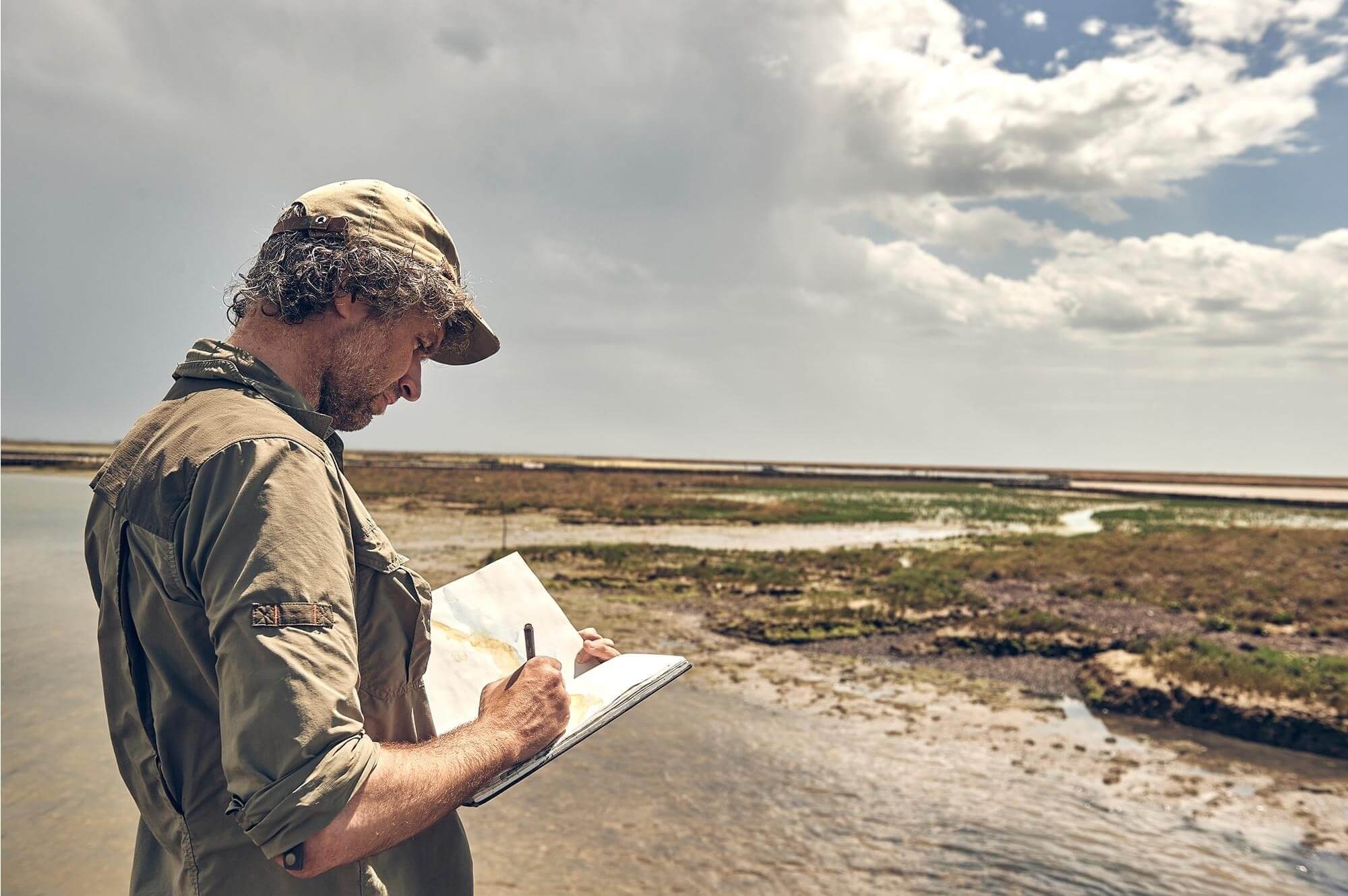
Roberto Ghezzi (Cortona, 1978) is a contemporary artist whose research has evolved through a progressive exploration of the relationship between nature, image, and time.
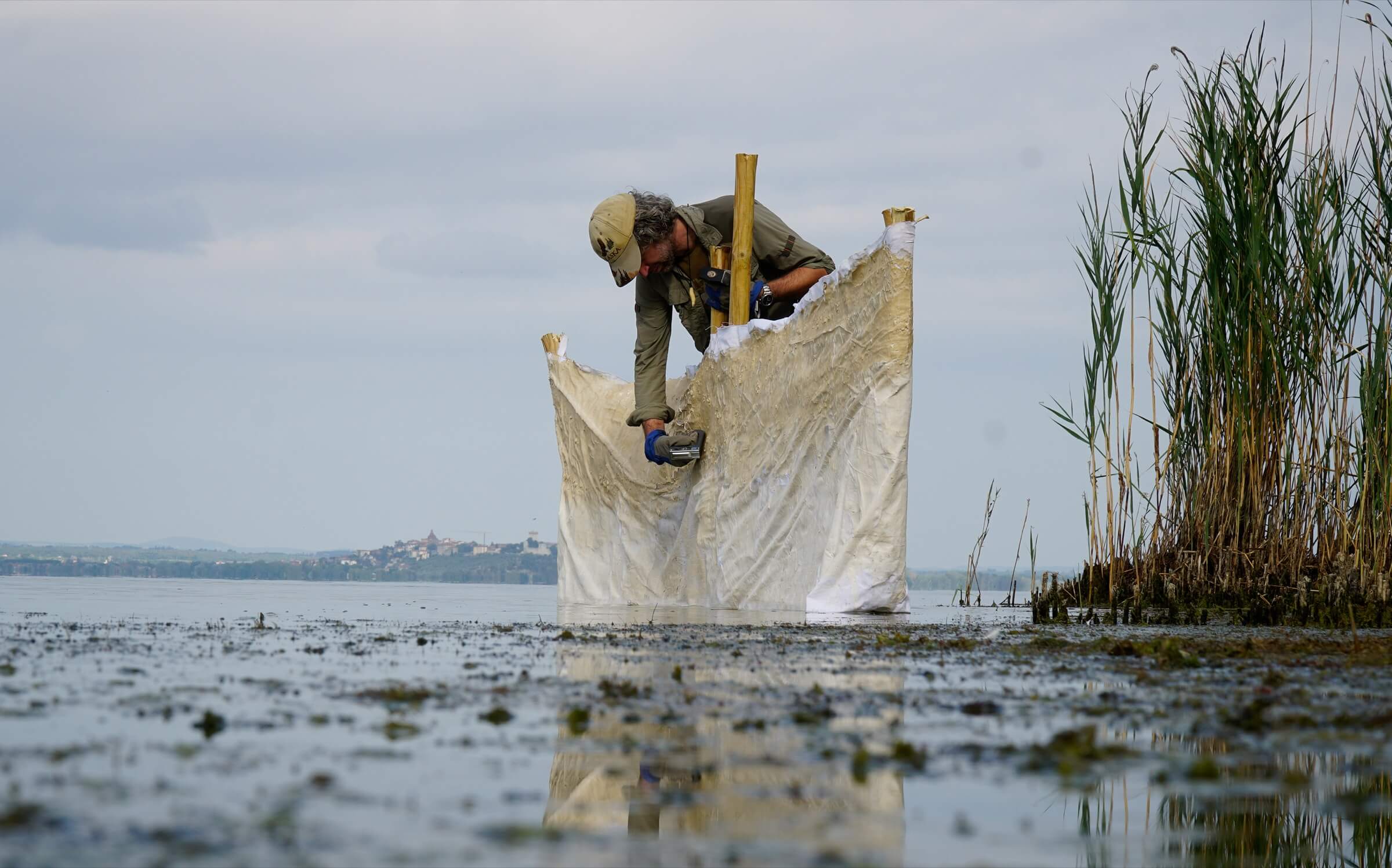
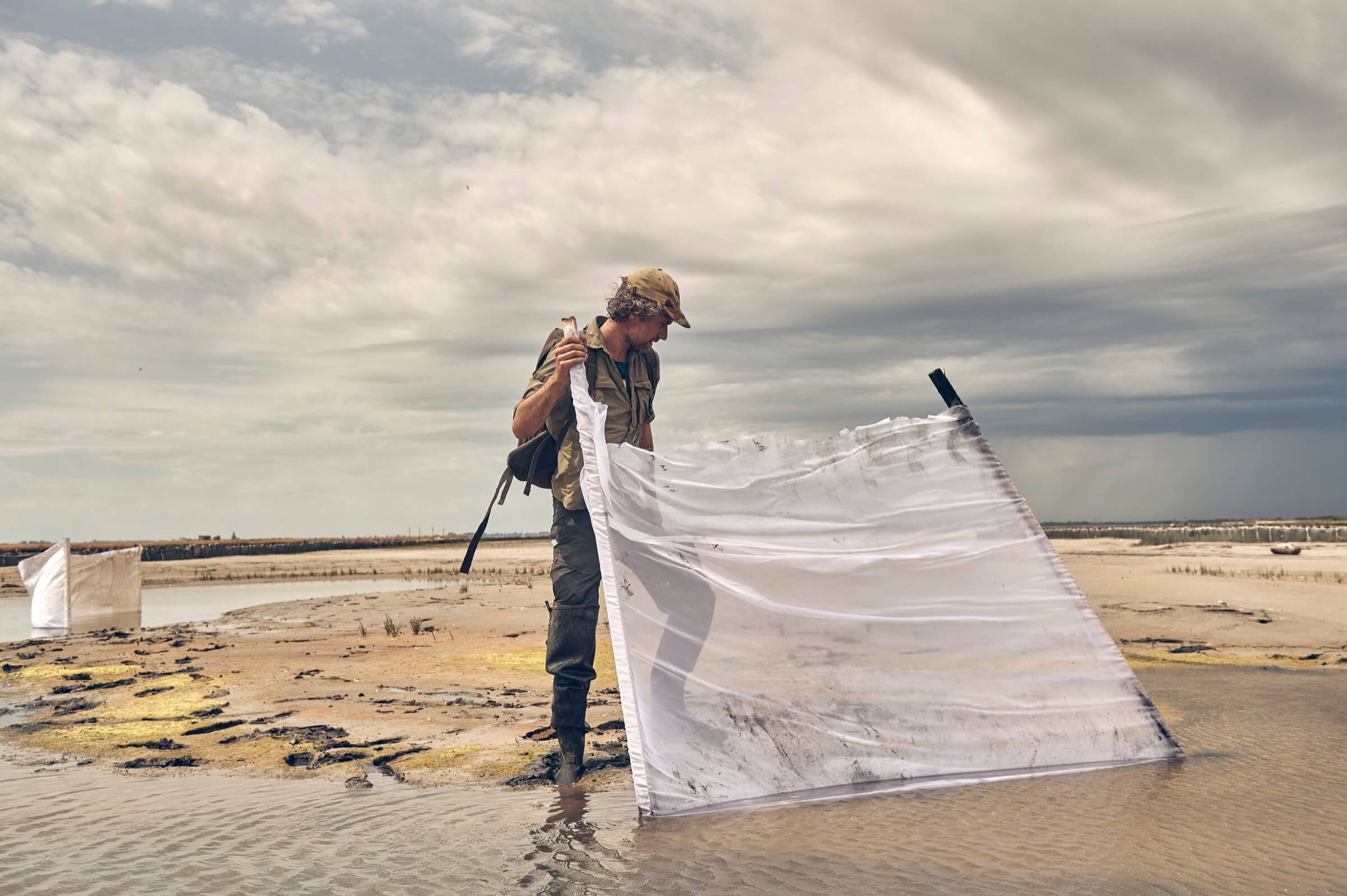
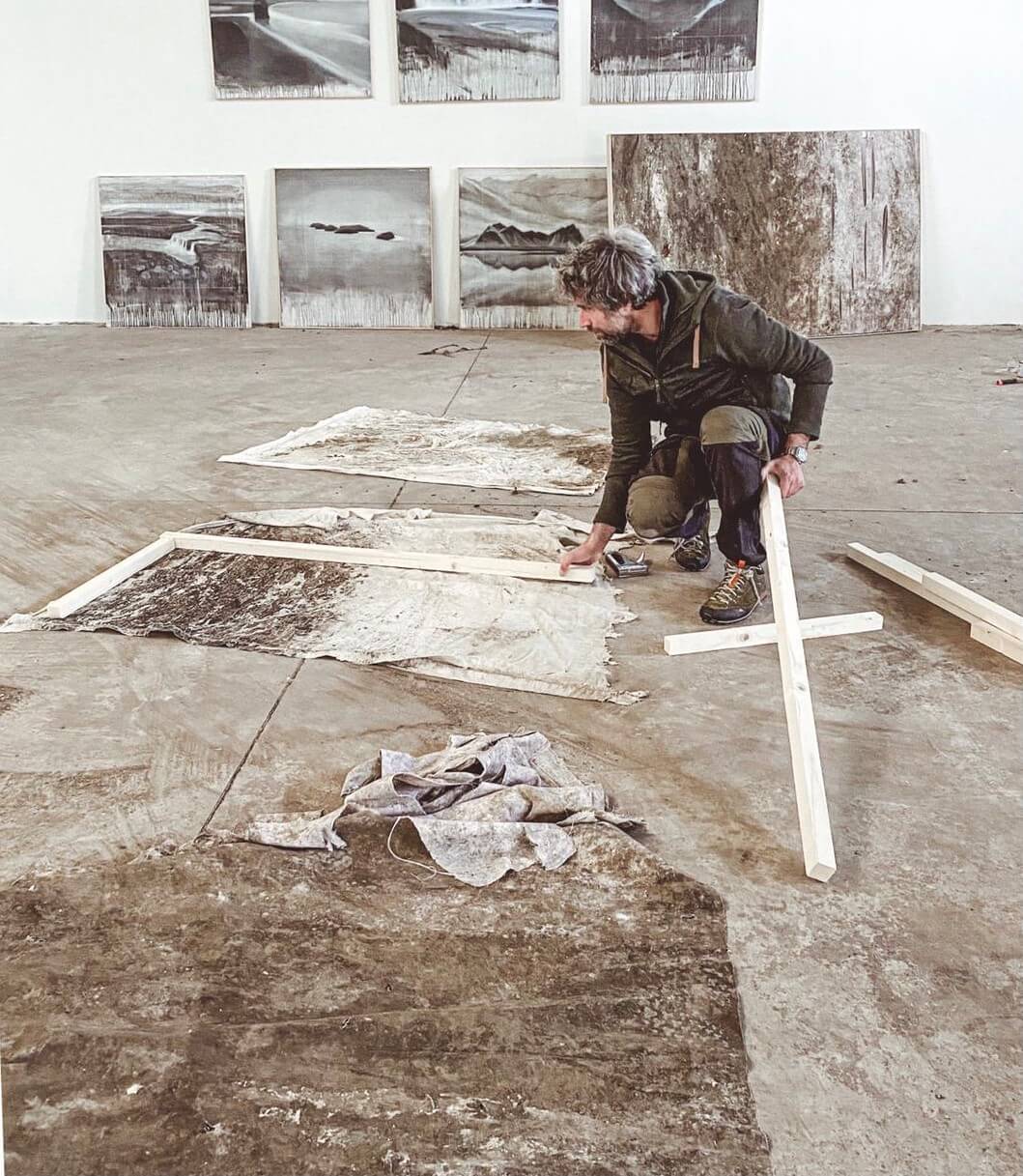
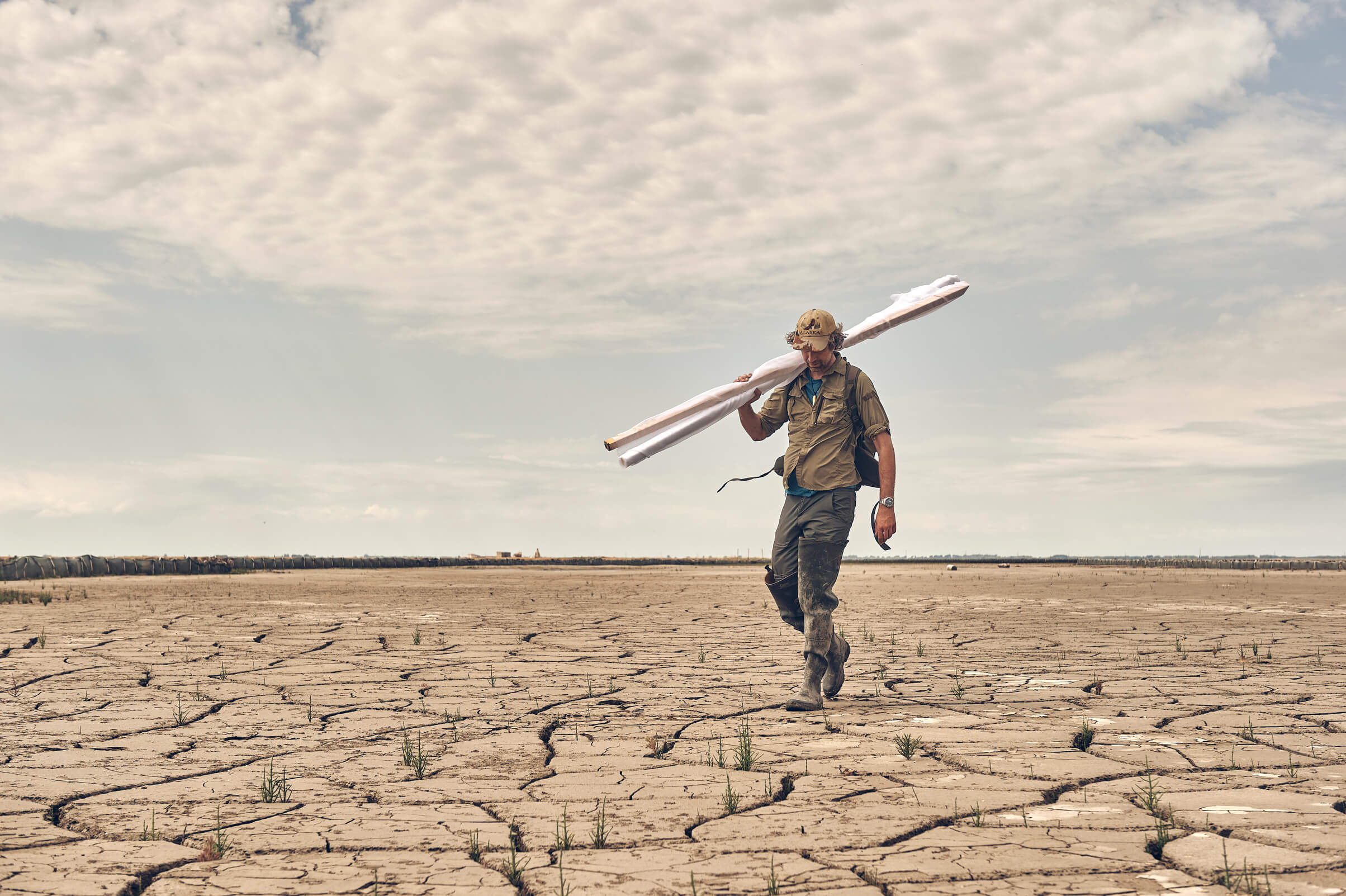
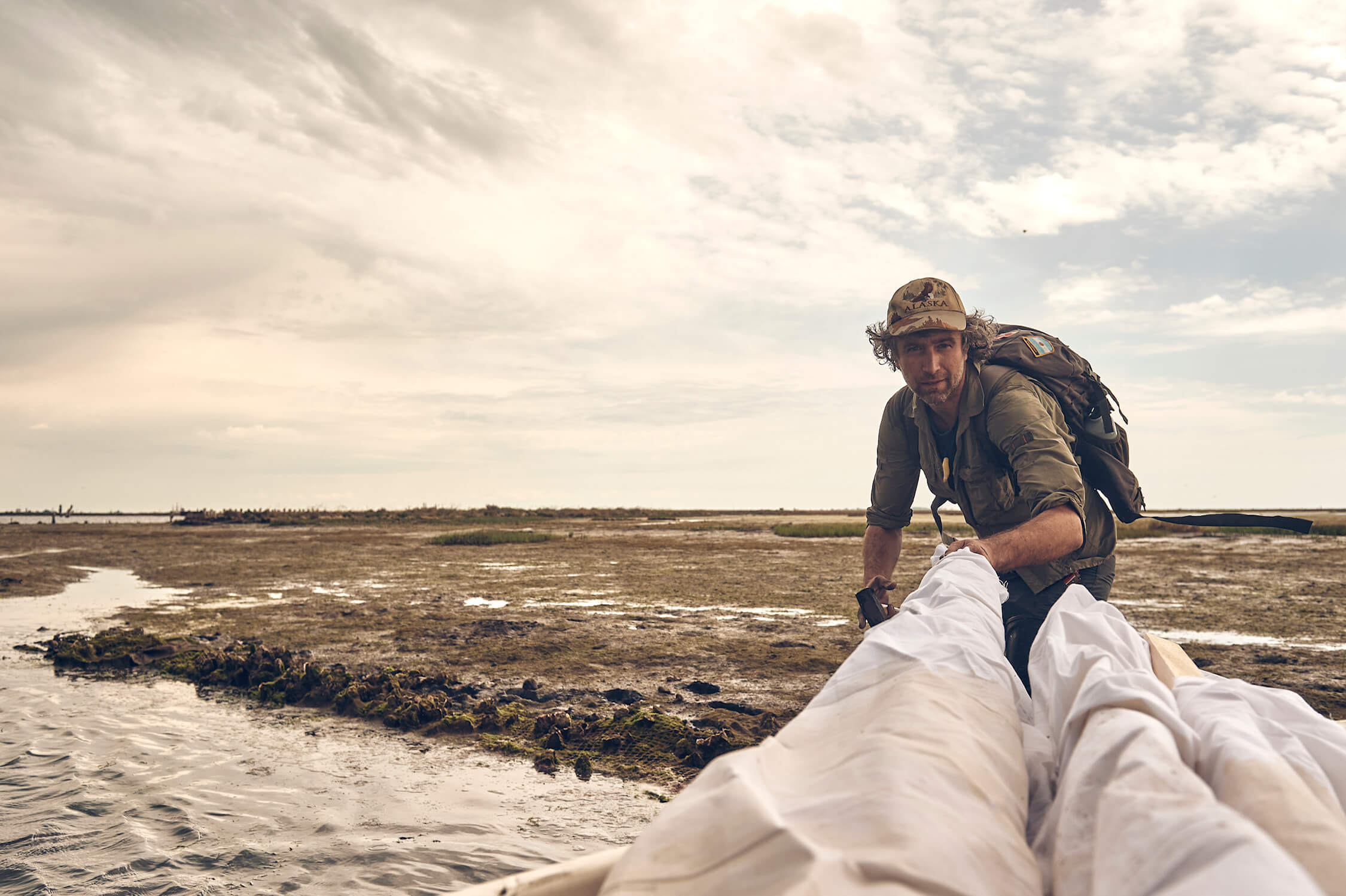
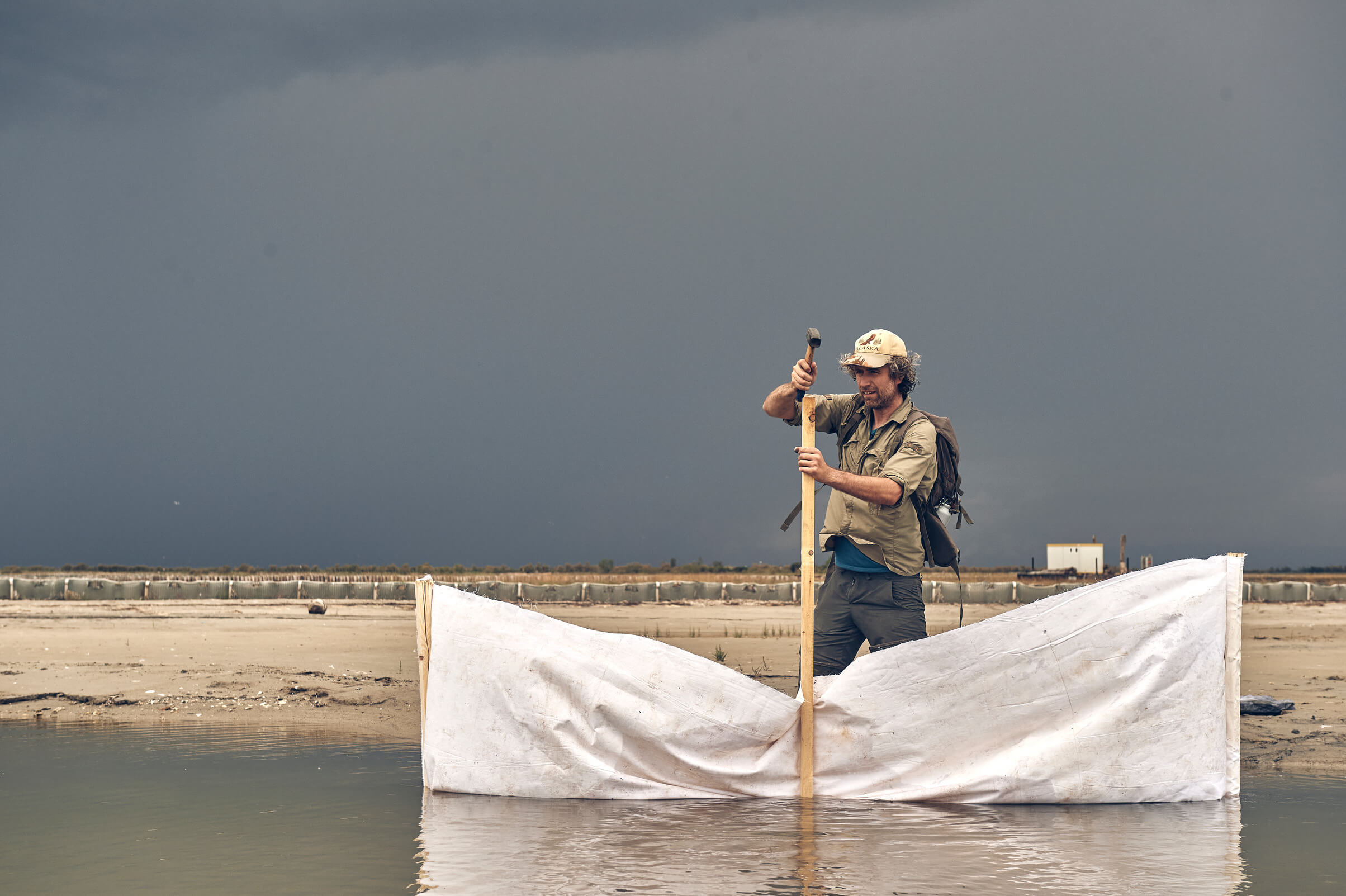
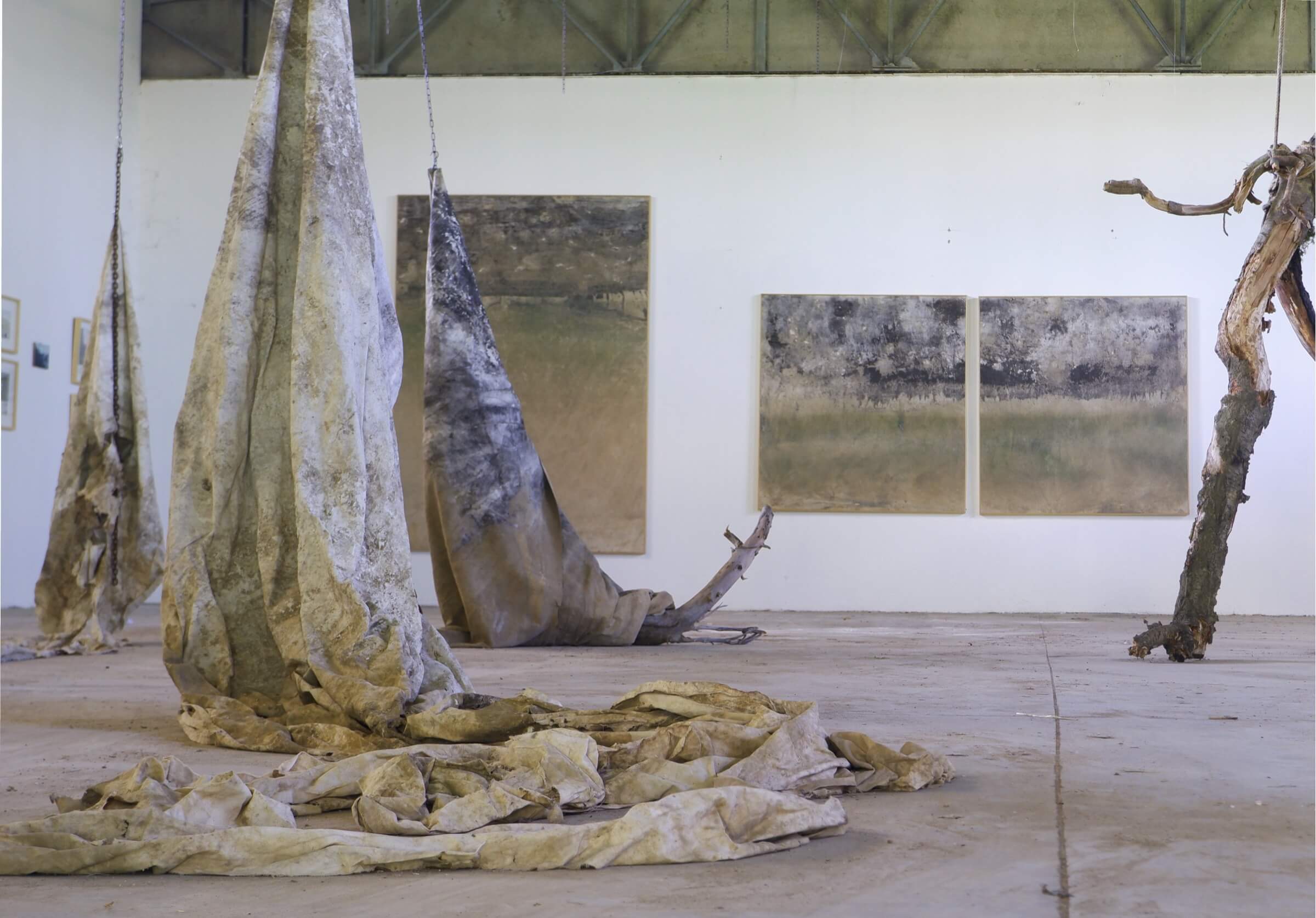
His artistic training began in his family’s sculpture studio and was further developed at the Academy of Fine Arts in Florence, where he refined his practice before beginning to exhibit in the 1990s. Over time, he progressively moved away from the pictorial representation of landscape, developing an original practice he calls Naturografie©—a neologism combining the Italian word natura (nature) with the Greek graphé (writing), referring to a genuine “writing of nature.” In these works, the landscape is not depicted; rather, the natural environment acts directly upon supports prepared by the artist.
His practice takes the form of a process-based, performative, and interdisciplinary investigation, developed in dialogue with biologists, geologists, and other scientists. The artist does not position himself as the author of the image, but rather as the initiator of conditions: he establishes the context, the framing, and the duration of the process, allowing nature itself to become a co-author of the work. In this sense, the Naturografie challenge the traditional concept of authorship, opening up a reflection on the relationship between homo faber and the natural world.
The works thus emerge as traces of time and portraits of the ineffable, in which water, sediments, and atmospheric processes “write” the landscape onto sensitive surfaces, transforming the support into a form of stratified memory of reality. Each work arises from a balance between human intervention and natural unpredictability, where the final outcome remains partly indeterminate, entrusted to the action of time and environmental phenomena.
In recent years, Ghezzi’s research has further expanded through projects developed in extreme environments, ranging from Tierra del Fuego and Greenland to Nepal, as well as through a deeper investigation of the concept of time, often in dialogue with contemporary physics. In these works, the performative dimension becomes increasingly central, frequently involving challenging operational conditions and prolonged periods of exposure within natural environments.
The result is an artistic practice that invites us to reconsider the relationship between observer and nature, grounded in a radical gesture of listening and suspension: stepping back in order to allow the natural environment to emerge through its own autonomous capacity for expression.
Selected Artist Residencies: The Mountain's Eyes, Kathmandu, Nepal (2024); The Greenland Project, in collaboration with CNR ISP, Tasiilaq, Greenland (2022); North Macedonia Project – Art As Nature, North Macedonia (2022); The Writing of Nature, 68 Art Institute and CasermArcheologica, Copenhagen, Denmark (2022); L’ Planeta de Origen, Ushuaia, Argentina (2019); Kunstkvarteret Artist House, Lofoten Islands, Leknes, Norway (2019); OAW, Tunis and Hergla, Tunisia (2018); South Africa Project, Blyde River Canyon and Mossel Bay, South Africa (2018); Iceland Project, Höfn and Akureyri, Iceland (2017); Alaska Project, Talkeetna and McCarthy, Alaska, USA (2015).
Works
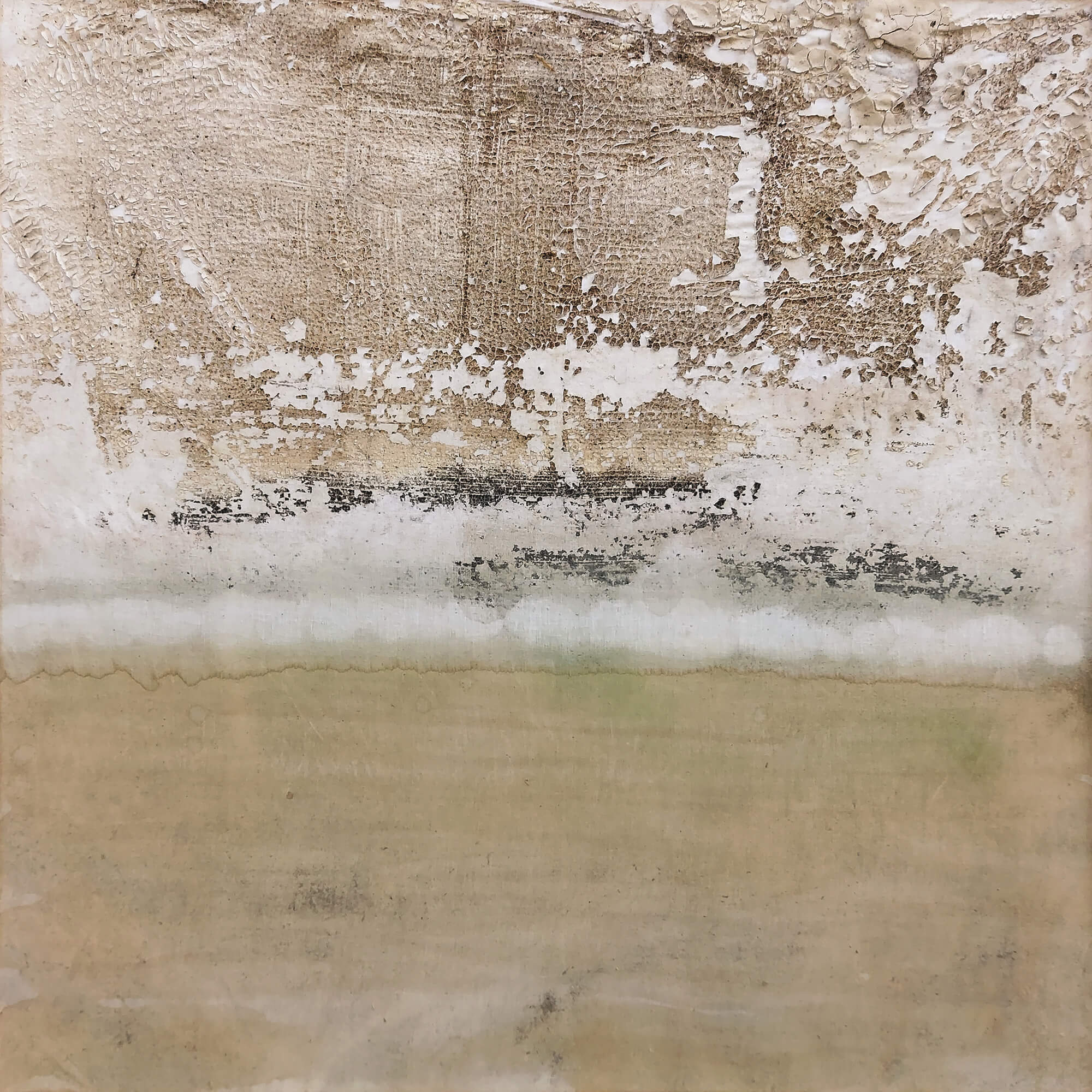
Naturografia di lago (Trasimeno)
Natural elements on canvas
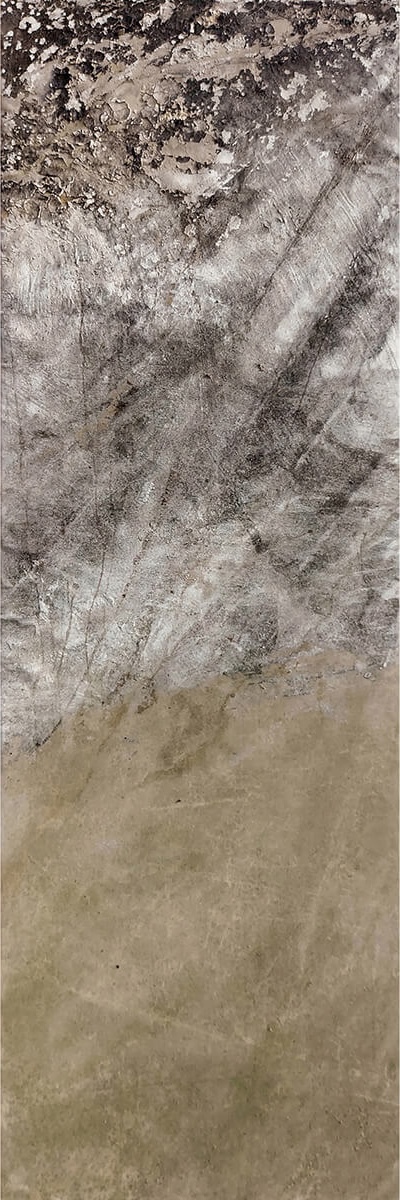
Naturografia di lago (Trasimeno)
Natural elements on canvas
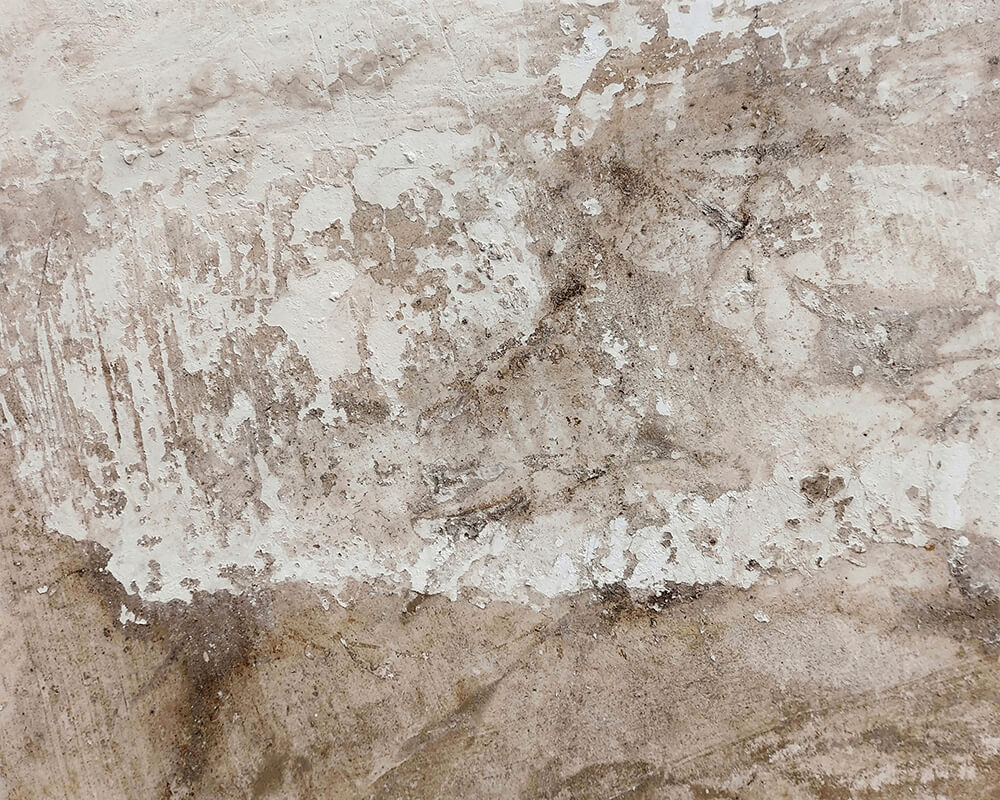
Naturografia di terra (Casentino)
Natural elements on cotton
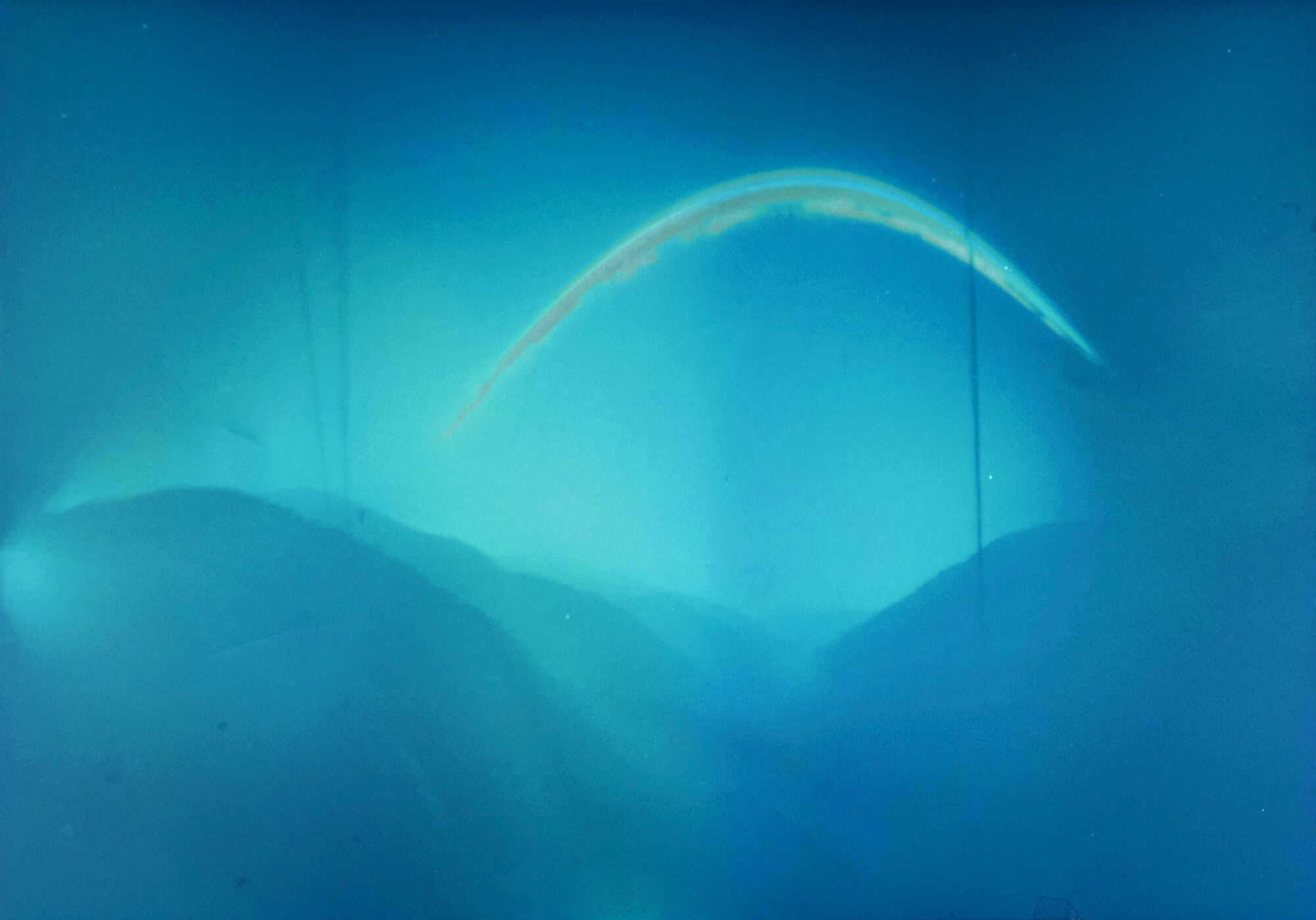
The mountain’s eyes (Annapurna)
Long-exposure pinhole photography on cotton paper
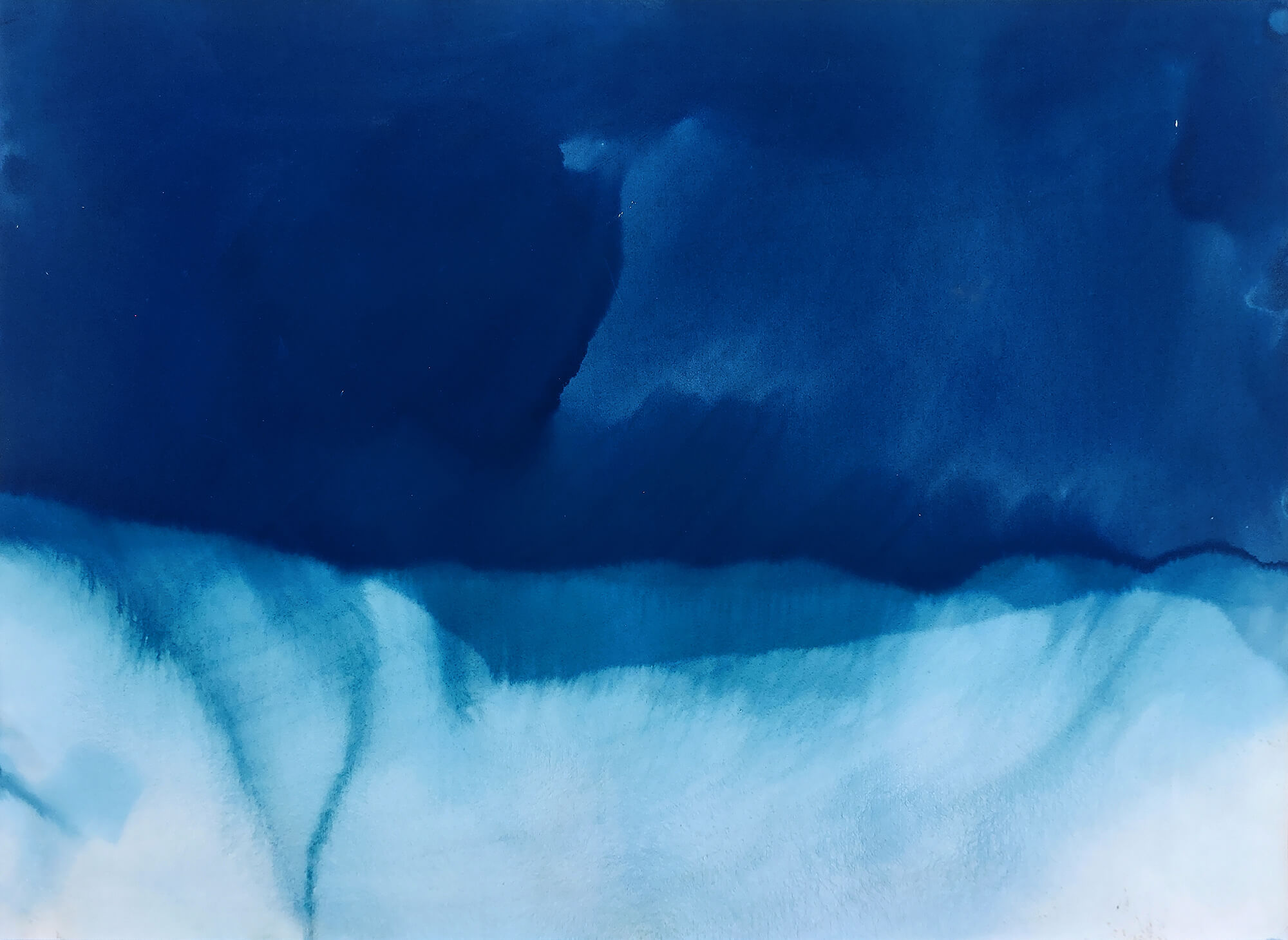
Cyanotype made with melting ice on paper
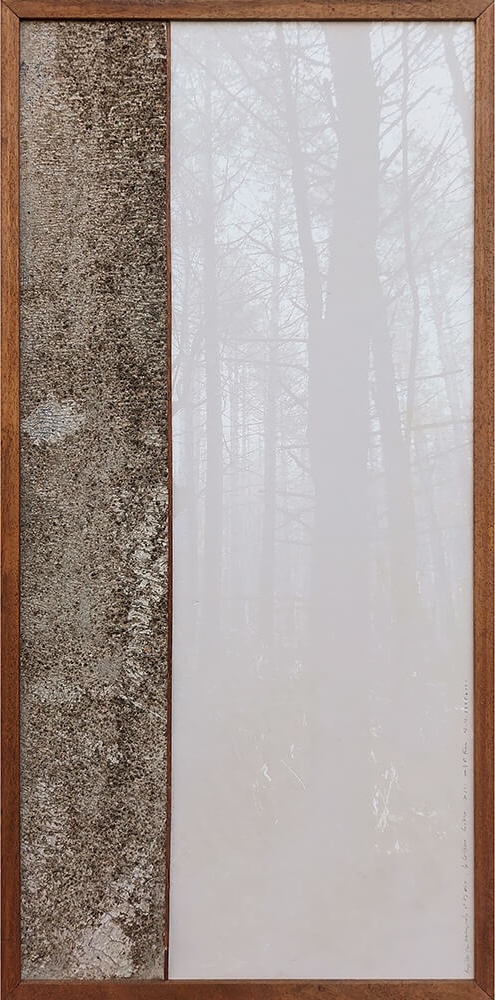
Natural elements and photography on canvas
Selected exhibitions
Studio